メッセージを送信
製品にご興味をお持ちで、詳細を知りたい場合は、メッセージをお送りください。できるだけ早く返信いたします。

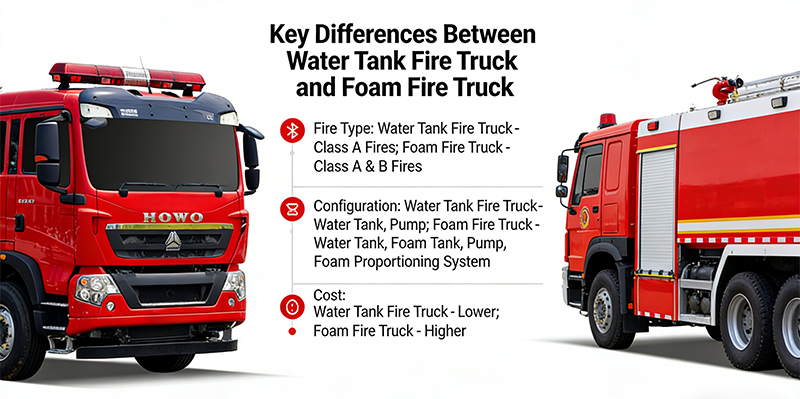
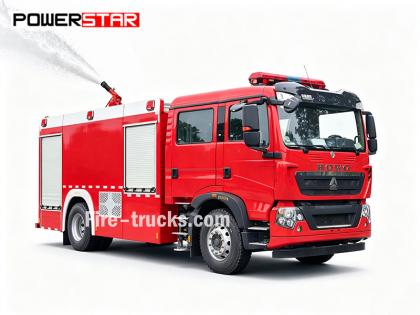
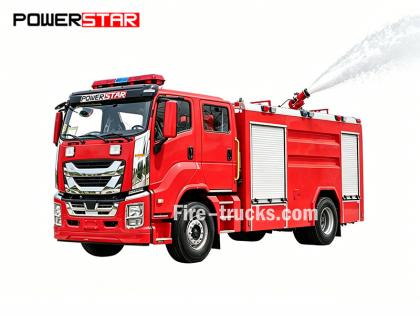
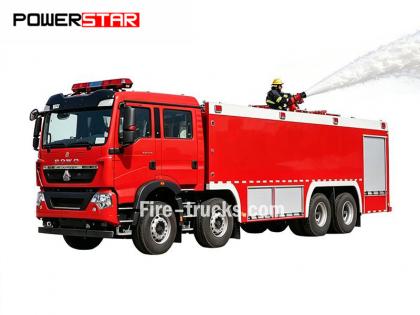
水消防車 通常の火災は、木材、紙、布などの火災に対応します。泡消火車は、ガソリンや油などの可燃性液体火災に対応します。どちらが適切かは、発生する危険の種類によって異なります。
A 水消防車 大型の水タンクを搭載し、高圧ポンプでホースや放水銃を通して水を供給します。世界中の自治体消防署や工場で最も一般的に使用されている消防車です。
A 泡消火車 一方、は消火用泡を運搬・散布するために特別に設計されています。可燃性液体、化学物質、燃料火災など、水だけでは効果的に消火できない場合は、泡の方が適しています。泡は火の上に覆いかぶさるようにして酸素を遮断し、再燃を防ぐことで消火します。
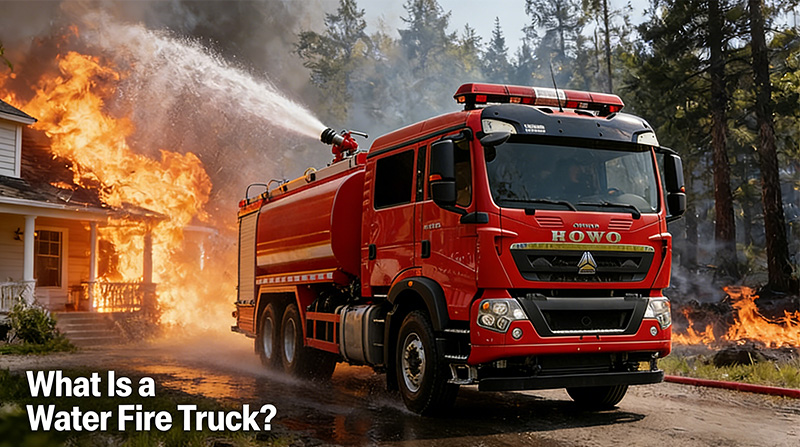
放水消防車とは、その名の通り、大型の水タンク、強力なポンプ、そして火災現場に水を供給するためのホースや放水銃を備えた車両です。水タンクの容量は通常500~3,000ガロン(約2,000~12,000リットル)です。ポンプはタンク内、または消火栓、湖、池などの外部水源から水を汲み上げ、高圧でホースを通して送り出します。
水消防車が最も効果を発揮する場所:
水消防車は、 A級火災 これには、通常の可燃物が含まれます。
木材
紙と段ボール
布地と生地
ゴムとプラスチック
草、低木、森林の材料
火災が家屋、倉庫、または畑で燃える物質に関わるものであれば、通常は水で消火できます。
水の制約:
水には大きな弱点が一つあります。ガソリン、油、化学薬品などの燃えている液体に水をかけると、水はこれらの燃料よりも重いため沈んでしまいます。燃料は水面に浮かび、燃え続けます。場合によっては、水によって火がより広い範囲に広がることもあります。そのため、可燃性液体火災に対しては、水だけでは効果的ではありません。
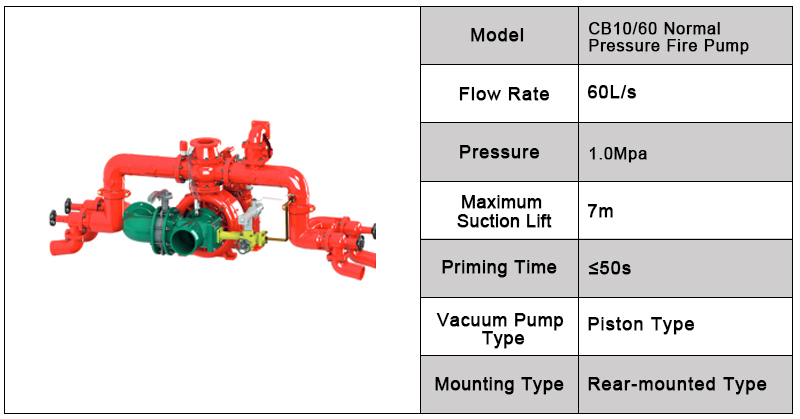
消防車用消火ポンプの仕様:
水消防車 火災監視装置 仕様:
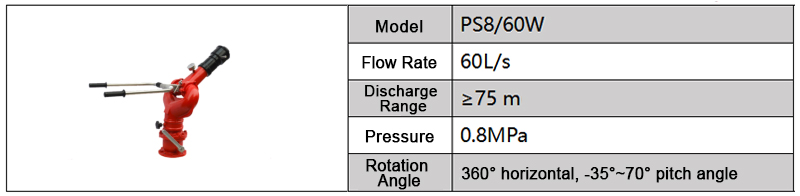
泡消火車は、消火用泡を運搬・散布するために設計された特殊車両です。水用タンクと泡消火剤用タンクの2つのタンクを搭載しています。泡混合システムは、通常、泡消火剤と水の割合を1%、3%、または6%に調整します。この混合液は泡ノズルを通過し、そこで空気が加えられることで、膨張した安定した泡の層が形成されます。
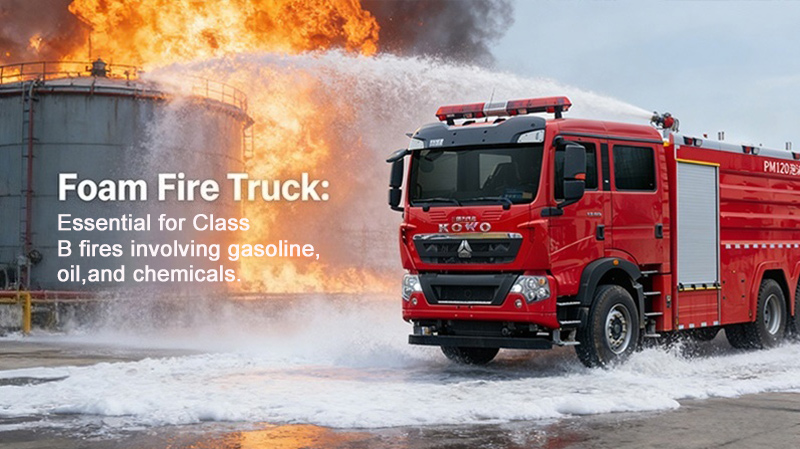
発泡体の仕組み:
泡は燃焼している液体または物質の上に層を形成します。この層は次のような効果を発揮します。
火への酸素供給を遮断する
燃料表面を冷却する
可燃性蒸気の漏洩を防ぎます
火が再び燃え上がるのを防ぐ
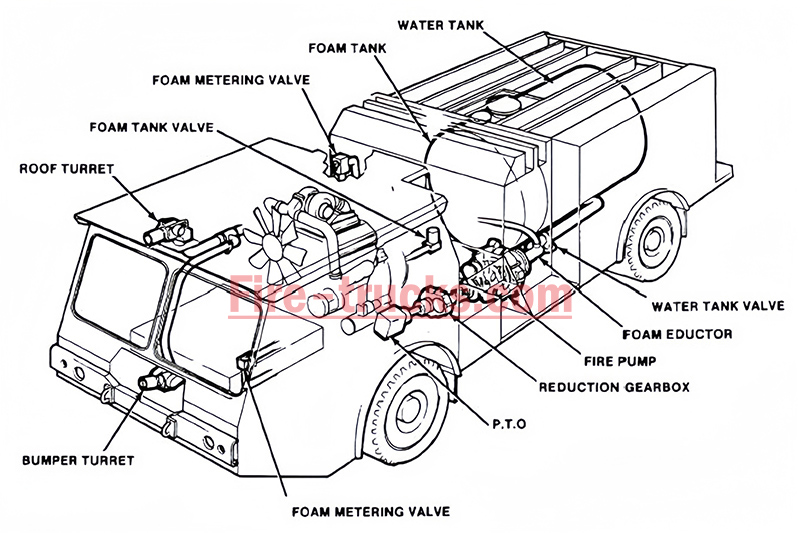
泡消火車が最も効果を発揮する場所:
泡消火車は、 B級火災 可燃性および引火性液体に関わるもの:
ガソリンとディーゼル
ジェット燃料と灯油
油とグリース
アルコールとエタノール
工業用化学薬品
泡消火剤は、積み重ねられた商品のある倉庫やタイヤ保管施設での火災など、水だけでは消火が困難な特定のA級火災にも効果的です。
一般的な用途:
| 応用 | 発泡体が機能する理由 |
| 空港 | ジェット燃料火災には泡消火剤が必要であり、水では効果がない。 |
| 石油精製所 | 現場には大量の可燃性液体が存在する |
| 化学工場 | 水に浮いて燃え続ける化学物質 |
| 燃料貯蔵施設 | ガソリンとディーゼル燃料のタンクが至る所にある |
| 鉱山および海洋プラットフォーム | 危険物質が存在する高リスク地域 |
| 石油化学施設 | 泡が再燃を防ぎ、蒸気を制御します |
泡の混合プロセス:
産業用消火活動で使用される泡は、泡消火剤原液を水と混合し、さらに混合液に空気を混ぜて安定した泡を形成することで作られます。この泡は、ホース、ノズル、または泡消火装置を通して噴射され、正確な範囲に散布されます。
発泡体の限界:
泡消火車は購入費用が高額です。追加のタンクと混合システムが必要となり、消火剤原液自体も継続的な費用がかかります。また、システムが正しく混合されていることを確認するために定期的な検査も必要です。施設で液体燃料火災が発生することが稀な場合は、追加費用に見合うだけのメリットがないかもしれません。
泡消火ポンプ搭載型消防車の仕様:
泡消火車 火災監視装置 仕様:
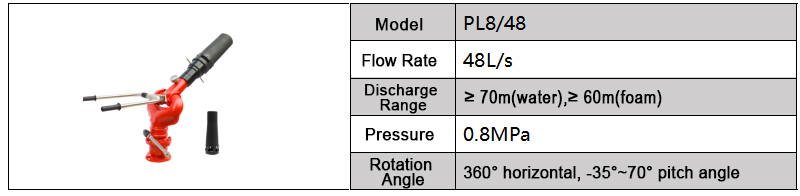
泡消火車 フォームプロポーショナー 仕様:
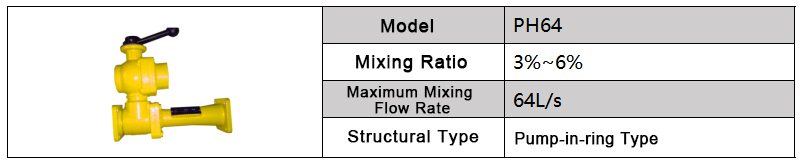
› 消火方法:給水車は水を使って冷却・消火し、泡消火車は泡消火剤を噴射して窒息させ、酸素を遮断します。
› 主な火災の種類:給水車はA類火災(木材、紙、布、プラスチック)に対応し、泡消火車はB類火災(ガソリン、油、化学薬品、ジェット燃料)に対応します。
› タンク構成:給水車は給水タンクのみを搭載。泡消火車は給水タンクと消火剤タンクの両方を搭載。
› 追加システム:給水車にはなし。泡消火車には泡消火剤混合システムあり。
› スピードと効率:給水車は信頼性が高いが、より多くの水が必要になる場合がある。泡消火車は燃料火災の消火速度が速い。
› 購入費用:散水車の方が安く、泡消火車の方が高い。
› 消火方法:給水車は水を使って冷却・消火し、泡消火車は泡消火剤を噴射して窒息させ、酸素を遮断します。
› 主な火災の種類:給水車はA類火災(木材、紙、布、プラスチック)に対応し、泡消火車はB類火災(ガソリン、油、化学薬品、ジェット燃料)に対応します。
› タンク構成:給水車は給水タンクのみを搭載。泡消火車は給水タンクと消火剤タンクの両方を搭載。
› 追加システム:給水車にはなし。泡消火車には泡消火剤混合システムあり。
› スピードと効率:給水車は信頼性が高いが、より多くの水が必要になる場合がある。泡消火車は燃料火災の消火速度が速い。
› 購入費用:散水車の方が安く、泡消火車の方が高い。
水消防車と泡消防車のどちらを選ぶかを決める際には、施設の具体的な火災リスクを考慮してください。
主な火災リスクは、一般的な可燃物に関連するものです。 建物、倉庫、オフィス、学校、住宅は、A級火災の原因となる物質で燃える。水は完璧な消火剤となる。
あなたは一般製造業、鉱業、または建設業に従事しています。 これらの施設には、迅速かつ容易にアクセスできる消防設備が必要です。給水車は信頼性が高く、費用対効果にも優れています。
あなたは水源にアクセスできます。 お住まいの地域に消火栓、湖、または川があれば、タンクに素早く水を補充できます。
予算には限りがあります。 散水車は購入費用も維持費も安価です。消火剤原液を購入したり、追加の検査費用を支払う必要もありません。
山火事や草原火災の消火活動を行う。 水は、植生火災の消火における標準的な手段である。
貴施設では可燃性液体を取り扱っています。 化学工場、石油精製所、燃料貯蔵施設、ガソリンスタンドはすべて、B級火災のリスクに直面しています。泡消火剤は不可欠です。
あなたは空港を運営している。 ジェット燃料火災は水だけでは消火できません。航空安全規則により、泡消火剤の使用が義務付けられています。
あなたは石油化学プラント、鉱山、または海上プラットフォームで働いています。 これらの高リスク区域では、可燃性液体火災を制御し、再燃を防ぐために泡消火剤が必要となる。
環境破壊を防ぐ必要があります。 泡は火災時に危険物を封じ込めるのに役立ち、危険物質の拡散を抑制します。
あなたの部署は様々なリスクに直面しています。 建物火災と燃料流出の両方に対応する場合、泡消火車は柔軟な対応を可能にします。
現代の消防車の多くは、水と泡の両方に対応できるように設計されています。これらの消防車は、水タンクと泡タンクが別々に搭載されており、水のみ、泡のみ、または混合水を切り替えることができる混合比調整システムを備えています。この構成は最大限の柔軟性を提供し、複合的な火災リスクに直面する施設にとって最適な選択肢となることが多いです。
水消火車は、木材、紙、布、プラスチックなどの一般的な火災に対応する、信頼性が高く手頃な価格の頼れる消防車です。泡消火車は、ガソリン、ディーゼル燃料、化学薬品などの可燃性液体火災に対応するために不可欠な専門車両です。複数の火災が同時に発生するような状況では、水と泡の両方を供給できる多目的消防車が最も費用対効果に優れています。


次の情報に興味があるかもしれません
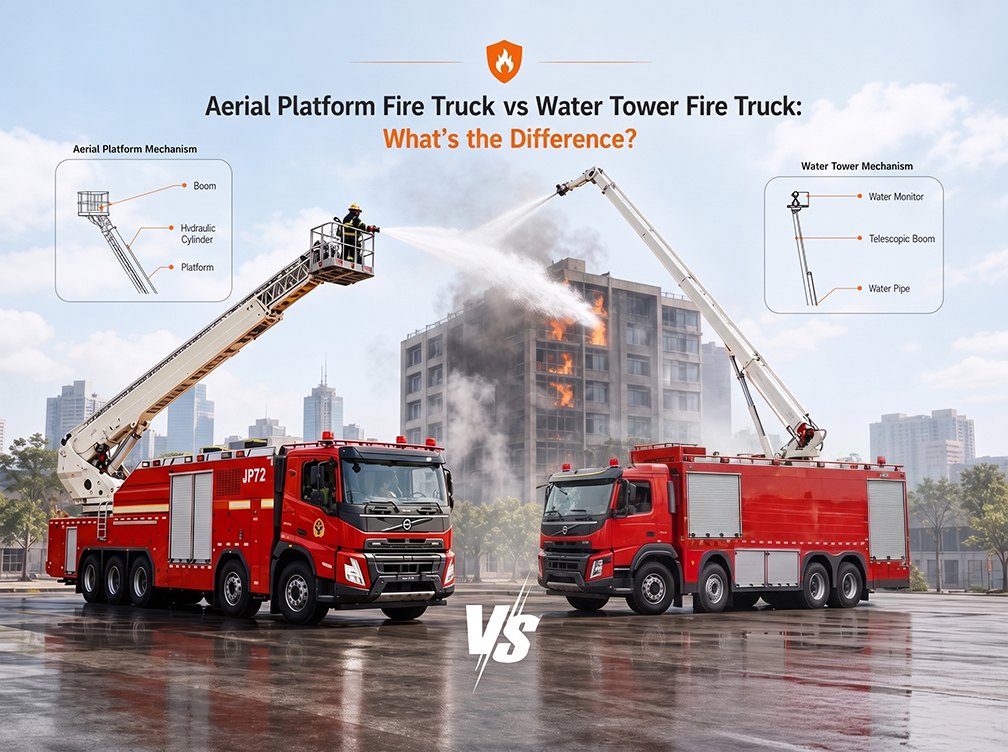
高層ビル、産業施設、または大型倉庫での消火活動に関して言えば、はしご付き消防車は不可欠です。しかし、さまざまな種類の高所作業用消防車の中で、特に混同されやすい2種類があります。それは高所作業プラットフォーム消防車と放水塔消防車です。一見すると似ているように見えるかもしれませんが、どちらも油圧ブームを備え、高所での消火活動用に設計されている一方で、基本的な任務は大きく異なります。 この記事では、これら2種類の車両の主な違いを詳しく解説し、消防関係者、調達担当者、設備販売業者が運用上のニーズに基づいて適切な判断を下せるよう支援します。 I. 高所作業プラットフォーム車とは? 中国国家標準GB 7956.12-2015によると、両車両は高所消火車両のカテゴリーに分類されます。これは、高所での作業用に昇降ブーム、旋回台、消火設備を備えた車両を指します。しかし、それぞれの具体的な定義には重要な違いが示されています。 高所作業プラットフォーム消防車 高所作業プラットフォーム消防車は、折りたたみ式または折りたたみ・伸縮複合式ブーム、作業員用プラットフォーム、旋回台、および消火装置を備えています。その特徴的な要素は作業プラットフォーム(バケット)であり、ブームの先端に設置され、消防士が立って救助や消火活動を行うことができます。 主な特徴:• 人員および装備を搭載できるプラットフォームを備え、750ポンドから1,500ポンド以上の重量に対応• 救助および消火活動の両方を目的として設計され、消防士はプラットフォーム上から直接作業可能• プラットフォームは降下制御装置、油圧ウインチ、または救助用滑り台と併用可能• 放水塔と比較して、より広い水平到達範囲と大きな作業範囲を持つ II.II. 放水塔消防車とは? 放水塔消防車は、折りたたみ式または折りたたみ・伸縮複合式ブーム、旋回台、および消火装置を備えていますが、作業員用プラットフォームはありません。代わりに、ブーム先端には放水銃(水砲)が取り付けられており、地上から遠隔操作できます。 主な特徴:• 作業員用プラットフォームなし—消防士は遠隔操作によって地上から作業します• 主に高所消火に特化しており、救助は目的としません• 非常に高い放水量を実現—毎分2,000ガロンを超える多くの産業用モデルで救助能力が必要とされない産業用防火向けに設計 Ⅲ. 横並び比較 特徴 高所作業車型消防車 ウォータータワー型消防車 主な機能 救助+消火活動 消火活動のみ ブーム先端装備 人員用作業プラットフォーム(バケット) 放水銃(ウォーターキャノン) ブーム上の人員 あり—消防士がプラットフォームから操作可能 なし—地上からリモート制御で操作 救助能力 高い—閉じ込められた人を避難させることが可能 なし 放水能力 最大1,500GPM以上 2,000GPM以上(産業用モデル) 標準的な作業高さ 50~130フィート 50~130フィート プラットフォーム/バケット容量 750~1,500ポンド以上 該当なし 重量 より重い(例:54mモデルで36トン) 比較的軽量 最適な用途 都市部の高層建築物救助、多目的消防部門 産業施設、大規模消火活動 Ⅳ. 高所作業車型消防車を選ぶ場合 高所作業車型消防車は究極の多目的高所作業車両—1台の車両で消火活動と救助の両方に対応する。作業プラットフォームは高所で安定した安全な作業環境を提供し、地上はしごを登ることに伴う危険を大幅に低減する。 最適な用途:•都市部の高層建築物における救助活動—上層階から閉じ込められた住民を避難させる•1台の車両で複数の機能を必要とする消防部隊—プラットフォームは換気、救助、消火活動に使用できる•高所の火災現場で隊員が直接作業する必要がある状況—窓の破壊、捜索活動の実施、または放水を正確に指示する場合など 利点:• 隊員および装備の積載能力が高い• 複合対応型の消防部隊に対応する幅広い機能性• プラットフォームに追加装備(ノズル、赤外線カメラ、救助装備)を取り付け可能 欠点:• 同等のウォータータワーより重量があり、高価• より複雑な構造のため、メンテナンス要件が多い• 純粋な消火任務ではウォータータワーより設置時間が長い V. ウォータータワー消防車を選択する場合 ウォータータワー消防車は、持続的で大量の高所消火に特化しており、救助能力が必要ない場合に適している。隊員用プラットフォームがないことで、よりシンプルな設計、低コスト、そして重要な点として、救助用プラットフォームの重量や複雑さを伴わずに、より高い放水量を実現できる。 最適な用途:•産業用火災防護—石油タンク基地、化学工場、大型倉庫•救助専用車両を別途保有する消防部隊—ウォータータワーを放水専用として使用•大規模な建物面積を持つ場所で、高所から極めて大量の放水を必要とする場合•予算を重視する消防部隊で、救助能力が他の消防車両によってすでに確保されている場合 利点:• 多くのモデルで高い放水能力(2,000GPM以上)• プラットフォーム型と比べて低コストで、メンテナンスも簡単• 純粋な消火作業では、わずかに軽量で位置決めが容易 欠点:•救助能力がない—閉じ込められた人を避難させることができない• 消防士は遠隔操作により地上から操作する必要があり、直接的な作業の柔軟性が低下する• 救助作業では他の車両に依存する必要がある Ⅵ. 主な設計および性能の違い 作業高度と到達範囲 両タイプの車両は、約50フィートから130フィート超までの作業高度に対応している。ただし、高所作業車は通常、より大きな作業範囲—障害物を越えて水平方向に到達できる能力—を備えており、これは屈曲可能なブームの柔軟性によるものである。 ウォータータワーは一般的に構造が単純である一方、大型スパン多段ブーム(特定モデルに搭載される6段折りたたみブームなど)を備える場合があり、前方へ最大58メートル、上方へ62メートルまで伸長でき、下方向への伸長能力は45メートルである。 重量と設置スペース要件 高所作業車は、大幅に重量が重い。これは補強されたブームおよびプラットフォーム構造によるものである。例えば、54メートル級の高所作業車は36トンになる場合がある一方、同じ高さの同等のウォータータワーはより軽量である場合がある。この重量差は以下に影響する: •橋梁および道路の荷重制限—重量の大きい車両は特定の経路で制限される可能性がある•ジャッキの展開幅—大型装置は安定化のためにより広いスペースを必要とする(通常18フィート以上)•燃料消費量と運用コスト 設置および対応時間 純粋な消火作業では、ウォータータワーは一般的により速く展開する。80メートル級の高所作業車では、理論上の設置時間として200秒以上を要する場合があり、実際の準備(現場調査、ジャッキによる安定化、給水接続)は、5~10分かかることが多い(実際の運用条件下)。水塔は、よりシンプルなブーム構造を備え、プラットフォームがないため、多くの場合より迅速に展開できます。 流量能力 ここで水塔は真価を発揮します。産業用グレードの水塔は、毎分2,...
詳細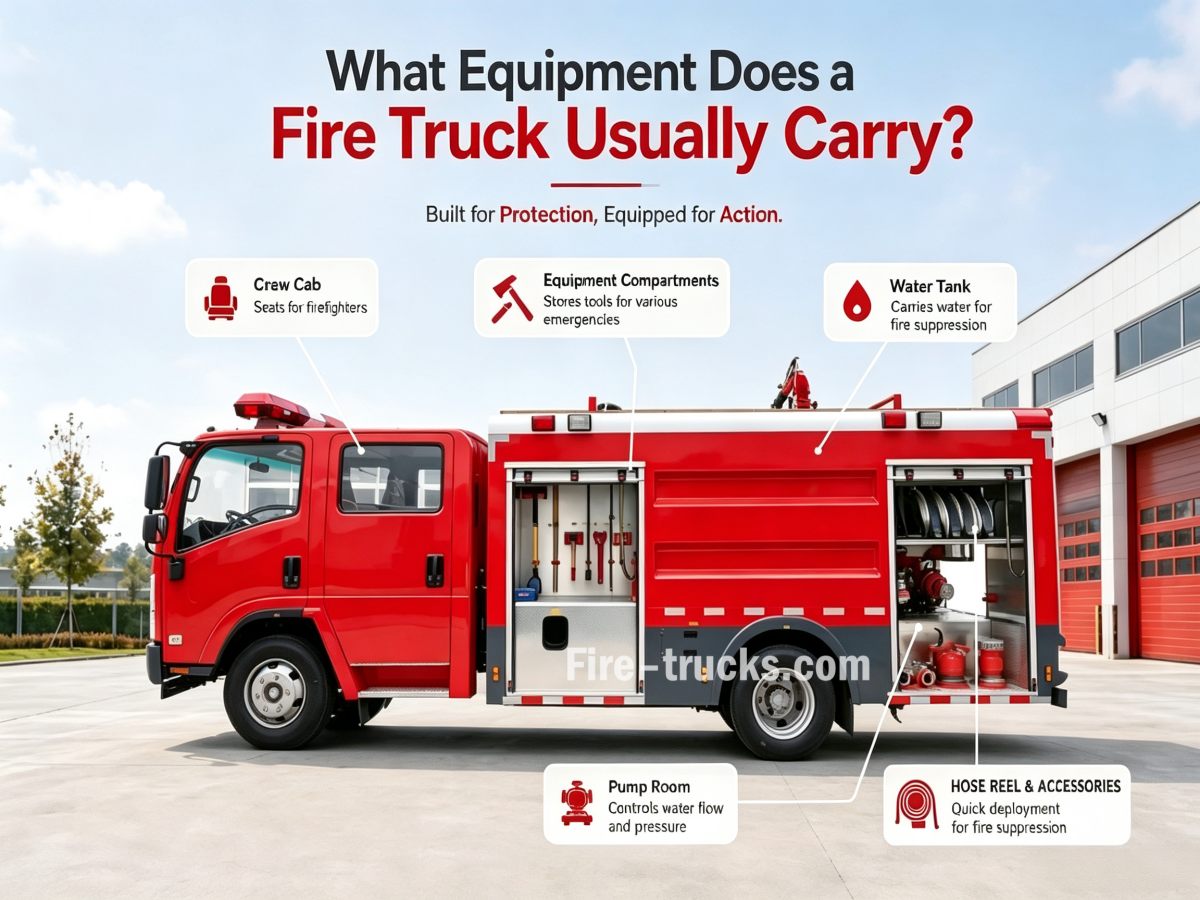
消防車は通常、消火、給水、救助、安全保護用の装備を搭載しています。一般的な装備には、消防ポンプ、水タンク、消火ホース、消火ノズル、放水銃、バルブ、消防はしご、救助工具、防護装備、通信機器などが含まれます。本記事では、標準的な消防車装備の分類、機能、選定時の考慮事項を体系的に解説し、調達担当者やエンドユーザーが消防車両の構成を包括的に理解できるよう支援します。 I. 消防車装備の分類 1. 消火装備— 直接的な消火活動に使用する中核工具で、消火ノズル、放水銃、消火ホース、送水分岐器、アダプターなどが含まれます。 2. 救助・破砕装備— 救助および消火活動のための進入経路を確保する工具で、油圧救助工具、消防斧、バール、クローバー、切断ソー、チェーンソーなどが含まれます。 3. 救助・人命救助装備— 人員の捜索、搬送、保護に使用する装備で、担架、救助ロープ、安全フック、降下制御装置、自給式呼吸器(SCBA)、予備空気ボンベなどが含まれます。 4. 排煙・照明装備— 火災現場の環境改善に使用する装備で、排煙機、移動式照明塔、携帯型高輝度サーチライトなどが含まれます。 5. 個人用保護具(PPE)— 消防士の安全を守る装備で、ヘルメット、構造火災用防護服、手袋、ブーツ、安全帯などが含まれます。 6. 通信・偵察装備— 火災現場の情報収集と指揮連携のための装備で、双方向無線機、赤外線サーモグラフィカメラ、有毒ガス検知器などが含まれます。 II. 消防車に搭載される消火装備 1. 消防ポンプ 消防ポンプは、すべての消火活動の動力源です。水を機械的に加圧し、「吸水 → 加圧 → 送水 → 放水」という一連の工程を完了するために十分な運動エネルギーを与えます。 一般的な消防ポンプの仕様: • 標準圧力消防ポンプ(CB10/30型):流量 ≥30L/s、定格圧力1.0MPa、後部搭載方式。標準的な給水車や泡消火車に適しており、都市部および産業用消火の大部分の給水要件を満たします。 • 中・高圧消防ポンプ:低圧流量30L/s(1.0MPa時)、高圧流量20L/s(2.0MPa時)、後部搭載方式。二重圧力設計により、1台のポンプで大流量供給(低圧)と長距離・高層建築への送水(高圧)の両方に対応します。都市型主力消防車や高層火災対応に適しています。 • 高圧消防ポンプ:流量10~15L/s、圧力最大4.0MPa以上、後部または中部搭載方式。高圧水ミストシステムで使用され、空港消防車や特殊産業車両によく搭載されています。 完全な水系統の流れ: 水タンク / 自然水源 → 消防ポンプ(中核)→ 放出口 → 送水分岐器 → 消火ホース → ノズル / 放水銃 2. 放水銃 放水銃は、消防車の屋根またはプラットフォームに固定された大流量放水装置で、大規模火災を長距離から消火するために設計されています。制御方式によって、放水銃は以下のように分類されます: • 手動放水銃:ハンドルによって方向を調整します。シンプルで信頼性が高く、低コストです。町村や産業消防隊の消防車に適しています。 • 電動制御放水銃:運転席パネルまたは携帯コントローラーから遠隔操作します。水平旋回(0°~360°)と仰角調整(-15°~+75°)に対応します。都市型主力消防車に適しています。 • 遠隔操作式モニター:100~300メートル離れた場所からワイヤレスリモコンで操作します。石油タンク基地、空港、化学火災などの高リスク状況に適しています。 3. 消防ノズル(手持ち式) 消防ノズルは、1人または2人の消防士が操作する手持ち式装置で、消火ホースに直接接続され、加圧水を特定の放水パターンに変換します。ファイアモニターとの主な違いは、ノズルは手で保持して手動で向きを調整する—流量は低いものの機動性が高い—一方、モニターは架台やプラットフォームに固定され、高い流量と長い射程を提供しますが、機動性はありません。 放水パターンによる消防ノズルの分類: •直流ノズル:直流モードのみ対応します。構造が単純で、低コスト、故障率が低いです。町村消防隊や予備車両に適しています。 •直流・噴霧兼用ノズル:直流、噴霧、霧状放水パターンに対応し、ノズルスリーブを回転させて切り替えます。現代の都市用主力消防車の標準構成です。 •反動力低減ノズル:特殊な内部流路設計により反動力を低減し、長時間使用時に消防士がより容易かつ安全に操作できるようにします。 4. 水タンク 水タンクは消防車に搭載された給水源を提供します。タンク容量は車両タイプや運用状況によって異なります。都市用消防車は小型タンクを搭載する場合がありますが、産業用消防車では長時間または高流量の消火活動に対応するため、通常はより大容量が必要です。 5. 消防ホース 消防ホースは消防車から火災現場へ水または泡消火剤を輸送します。 一般的な消防車には以下が搭載されています: •送水ホース— 消防車から火災現場へ水を送るためのもの •吸水ホース— 池、河川、貯水池、その他の外部水源から取水する際に特に重要です III. バルブおよび水系統部品 消防車には、水および消火剤の流れを制御するための完全な水系統が必要です。 主な構成部品には以下が含まれます: • 吸水バルブ• 放水バルブ• タンクバルブ• 排水バルブ• 放水分岐器• ストレーナー• 配管 これらの部品は、タンク、ポンプ、ホース、モニター間の水流を導き制御し、作業中に効率的で信頼性の高い給水を確保します。 IV. 救助および突破用装備 消防士は、高熱、濃煙、暗闇などを含む危険な状況で頻繁に活動します。消防車には、このような環境に対応するため、さまざまな救助・安全装備が搭載される場合があります。 1. 破壊用ツール •油圧シアー:油圧によって作動し、鉄筋、金属製ドア、窓枠、車両のA/Bピラーを切断する。車両救助活動では、変形した車体フレームを迅速に切断して救助用の進入口を確保する。 •油圧スプレッダー:油圧によって作動し、ドアをこじ開けたり重量物を持ち上げたりするために使用される。衝突後の車両ドアの開放や、手足が挟まれた際に空間を確保するために使用される。シアーと組み合わせて使用されることが多い。 •手動破壊用ツール(消防斧、バール、クローバー):外部電源なしで作動し、常時使用可能な状態にある。斧は木製ドアや窓の切断に使用され、バールは施錠されたドアのねじり、こじ開け、打撃に使用され、クローバーは隙間を開けたり障害物を移動させたりするために使用される。 2. 持ち上げ・牽引ツール •ジャッキ:崩壊した構造物の部材や大型車両を持ち上げ、建物倒壊救助や車両横転救助で閉じ込められた人員のための作業空間を確保するために使用される。一般的な種類には油圧ジャッキや空気圧リフティングバッグがある。 •ウインチ:車両の前部または後部に取り付けられ、鋼製ケーブルまたは合成ロープを使用して重量物を牽引する。車両の自力回収、障害物の除去、人員輸送に使用される。山岳地帯や複雑な地形での救助に不可欠である。 •リフティングエアバッグ:高圧空気で膨張させ、数十トンの持ち上げ力を発生させる。建物倒壊救助...
詳細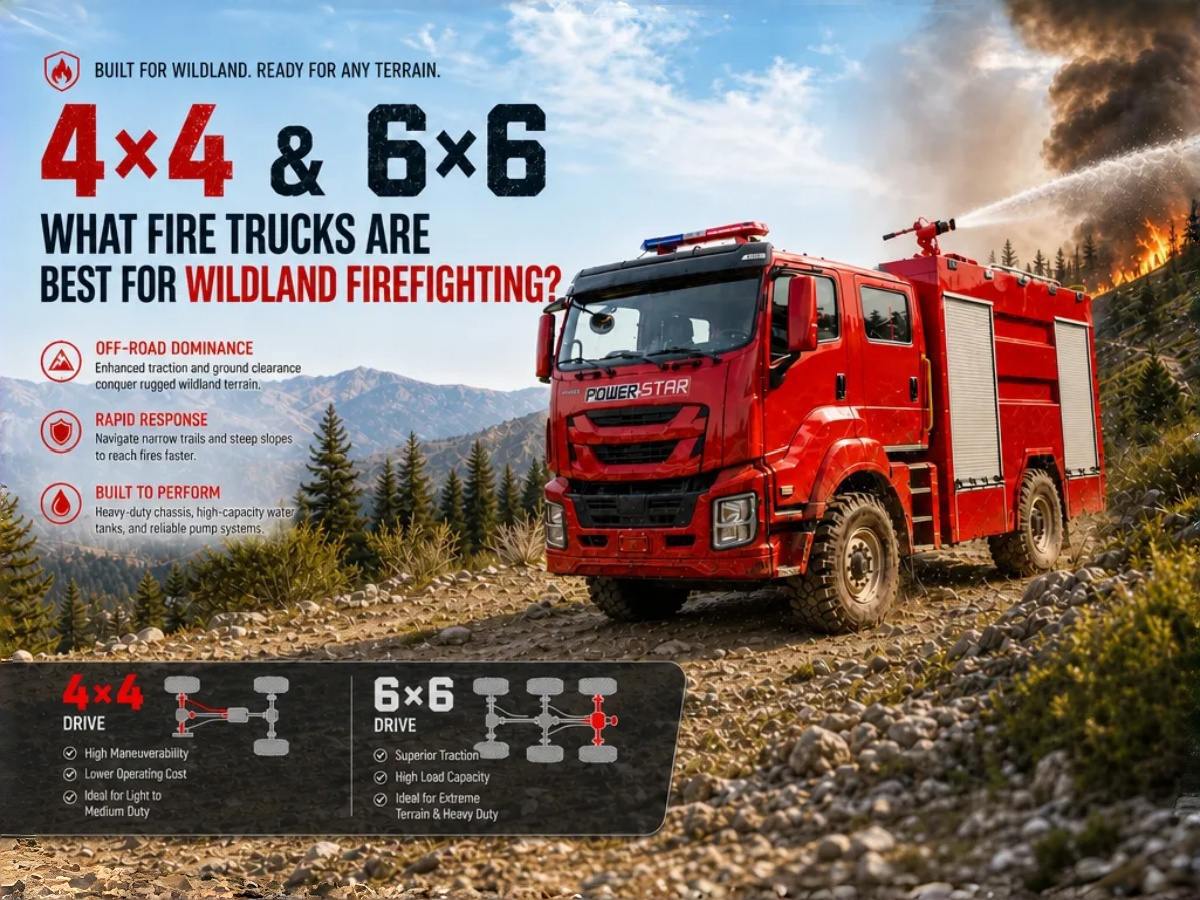
山林火災の消火活動は、建物火災の消火活動とは根本的に異なる課題を伴います。人里離れた森林、草原、山岳地帯では、消防車は狭い山道を走行し、急斜面を登り、消火栓や水源から遠く離れた場所で活動しなければなりません。適切な消防車を選択することは、対応時間、隊員の安全、消火効果に直接影響する戦略的な決定です。 この記事では、山林火災に最も適した消防車の種類、それぞれの主要な特徴、選定方法について包括的に解説し、具体的な運用要件に基づいて適切な判断を行えるよう支援します。 簡単な回答 山林火災は、広範囲の火災地域、複雑な地形、限られた水源、悪い道路状況を特徴としているため、あらゆる森林火災の状況に対応できる単一の消防車は存在しません。 一般的に、山林火災の消火活動では主に以下の種類の消防車が使用されます。 • 軽量山林火災用消防車:森林道路への進入や迅速な初期対応用• 4×4オフロード山林火災用消防車:山岳地帯や丘陵地での活動用• 6×6山林火災用消防車:大規模森林火災や長時間活動用• 水槽車:継続的な給水と支援用• 泡消火車:石油施設、森林作業機械、特殊火災用• 救助車両:通信、照明、突破作業、物流支援用 I. なぜ山林火災には特殊な消防車が必要なのか? 山林火災は、以下の重要な点で建物火災とは根本的に異なります。 山林火災の主な特徴:• 数ヘクタールに及ぶ広大な火災範囲• 急速に変化する風向• 複雑で険しい地形• 消火栓や水源へのアクセスが限られている、または存在しない• 狭く舗装されていない森林道路• 困難な通信環境 一般的な都市型消防車は、以下の理由により山林火災の消火活動には通常適していません。 • • 未舗装の山道や急斜面で必要となる4×4または全輪駆動性能が不足している;• • 大型で最低地上高が低いため、狭い森林道や軟弱な地面で立ち往生しやすい;• • 都市型ポンプは中程度の圧力で高流量を優先する一方、山林火災での活動では限られた水量で長距離ホース展開に対応する高圧が必要であり、これは根本的に異なる方式です。 II. 一般的な山林火災用消防車の種類 消防車の種類 主な特徴 適用される状況 軽量山林火災用消防車 高い機動性、コンパクトなサイズ 森林巡回、初期攻撃 4x4山林火災用消防車 優れたオフロード性能 山岳地帯および丘陵地 6x6山林火災用消防車 大容量の水タンク、長時間の活動能力 大規模な森林火災 給水車 継続的な給水 物流支援、水の中継供給 泡消火車 特殊消火活動 森林内の石油貯蔵施設、設備エリア 救助車両 装備輸送 総合的な救助活動 III. 山林火災用消防車に必要な主要性能特性とは? 1. オフロード走行能力 山林火災用消防車は、困難な地形で効果的に活動するために、優れたオフロード性能を備える必要があります: 駆動構成:• 4×4駆動は、ほとんどの山林活動における最低基準であり、軟弱地盤、砂利、急斜面でのトラクションを提供します• 6×6駆動は、極限環境で活動する大型車両向けに、より高いトラクションと積載能力を提供します• 複数の地形モード(泥、雪、岩、砂)を備えたフルタイム四輪駆動は、さまざまな条件下で最適な性能を発揮します デファレンシャルロック:前輪、中央、後輪のデファレンシャルロックにより、他の車輪がグリップを失った場合でも、駆動力をトラクションのある車輪へ確実に配分します。これは不整地の走行や立ち往生の防止に不可欠です。 最低地上高:最低300~400mmの最低地上高により、車体下部を損傷することなく、岩、倒木、凹凸のある地面を乗り越えることができます。 アプローチアングルとデパーチャーアングル:• アプローチアングル30°以上により、フロントバンパーが斜面や障害物に接触するのを防ぎます• デパーチャーアングル25°以上により、急勾配を下る際に後部が引きずられるのを防ぎます 2. 水タンク容量 山林消火では、水タンク容量を走行性能や車両重量とのバランスで考慮する必要があります: 大きければ常に良いとは限らない理由:• 大容量の水タンクは大幅な重量増加をもたらし、軟弱な森林土壌で動けなくなるリスクを高めます• 重量のある車両は重心が高くなり、横方向の斜面での横転リスクが増加します• 重量のある車両は森林道路や山道への損傷を大きくします• 重量増加に伴って燃料消費量が増え、活動範囲が縮小します 任務タイプ別の推奨タンク容量: 任務タイプ 推奨タンク容量 理由 迅速攻撃/巡回 1,500~2,000L 速度と機動性を重視した軽量設計 初期攻撃(標準) 2,000-3,000L バランスの取れた容量と機動性 長時間運用 3,000-5,000L 中程度の機動性を維持しながら、より長い持続力 給水/中継送水 5,000-8,000L 最大容量、道路専用または限定的なオフロード走行 3. 消防ポンプシステム ポンプはあらゆる山林火災用消防車の心臓部です。山林火災用ポンプは、構造物火災用ポンプとは根本的に異なります。 項目 都市型消防ポンプ 山林火災用消防ポンプ 流量 高い(1,000-2,000 GPM) 中程度(30-150 GPM) 圧力 中程度(150-200 psi) 高い(250-400 psi) 重点 消火栓供給用の水量 長距離ホース敷設用の圧力 吸水 時折 自然水源から頻繁に実施 山林火災用ポンプが高圧を優先する理由:• 長いホース敷設(1,000フィート以上)は、摩擦損失を克服するために高圧を必要とする• 高圧により、急斜面や高所の地形にある火災まで水を到達させることができる• 効率的な水使用により、限られた搭載水量で消火効果を最大化する 高圧ミストシステム:• 水を超微細な水滴(≤1mm)に分解し、最大限の冷却効率を実現する• 標準的な放水と比較して水の消費量を最大70%削減する• 迅速な温度低下と煙の抑制を可能にする• 大量の給水が到着する前の初期攻撃に効果的 4. ウインチ ウインチは、遠隔地の地形で活動する山林火災用消防車に不可欠な装備です: •自力脱出:泥、砂、または軟らかい森林土壌にはまった際に車両を引き出す•障害物の除去:道路を塞いでいる倒木、岩、がれきを牽引して移動する•他の車両の支援:立ち往生した他の装置を回収または再配置する•救助活動:他の手段では到達できない区域へ進入する 推奨構成:安全性の向上と軽量化のため、合成ロープを使用した、最小8,000~10,000 lbの牽引能力を持つ前部搭載ウインチ 5. 自己防護散水システム 山林火災用消防車は、活動中の火災前線内またはその近辺で運用する際、自身を保護する必要があります: 車両シャーシ散水:車両下部の散水ノズルがシャーシ、タイヤ、アンダーボディ部品を冷却し、燃焼地面を走行する際の熱損傷やタイヤの発火を防止します。 キャブ散水システム:フロントガラスおよびキャブ外装全体に水を散布して放射熱を低減し、視界を確保することで、極端な高温環境下でも消防士が車内に留まれるようにします。 タイヤ散水システム:タイヤへ直接水を供給し、炎の近くや高温の表面上で運用する際に、ゴム...
詳細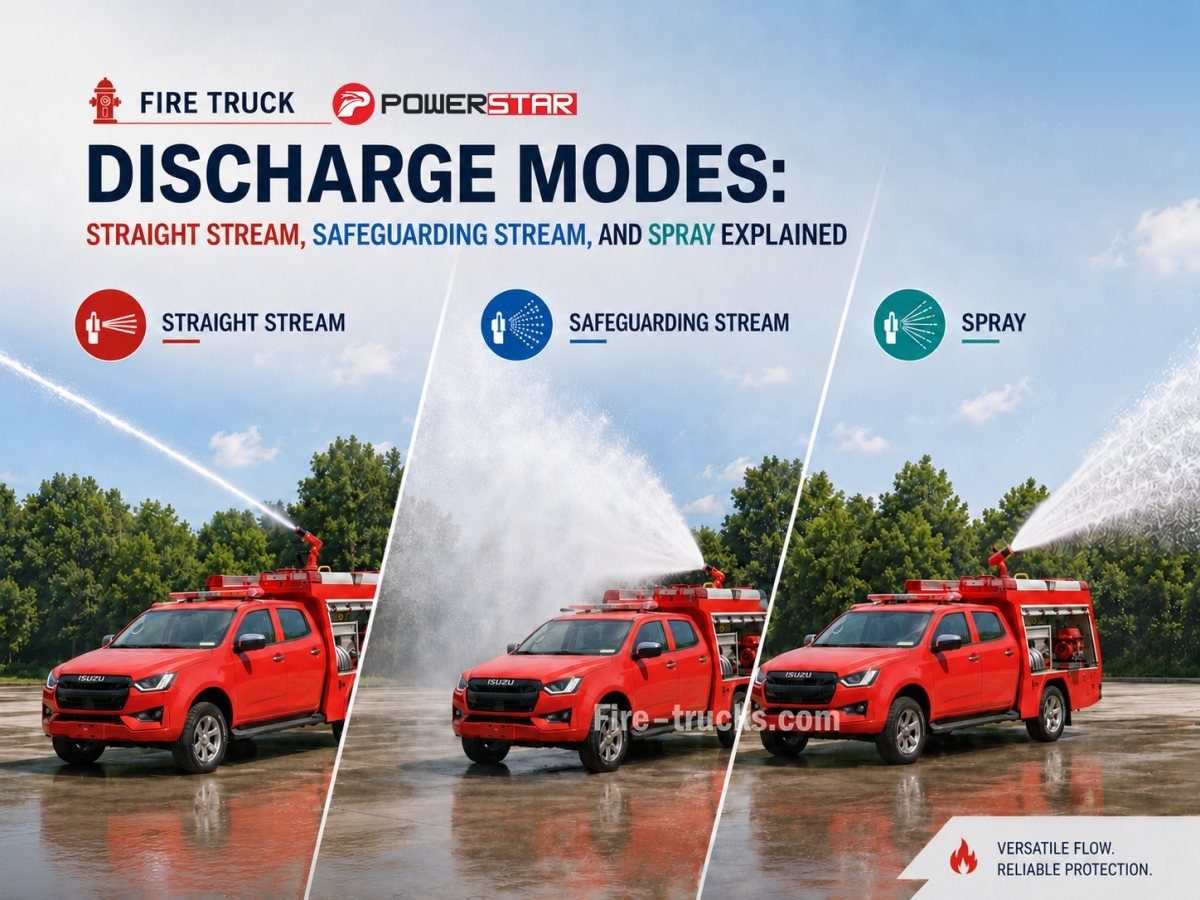
消防活動において、放水モードの選択は消火効率、作業安全性、火災制御効果を直接左右します。多くの人は、消防車のノズルが、直射放水、噴霧放水、防護放水という3つの基本的な放水モードを切り替えられることを知りません。各モードは、流れの形状、到達距離、衝撃力、カバー範囲が大きく異なり、それぞれ適用される火災状況もまったく異なります。 本記事では、専門的な消防活動基準に基づき、3つの放水モードの原理、主な特徴、適用シナリオを包括的に分析し、お客様が消防車の放水技術を体系的に習得できるよう支援します。 I. なぜ消防車には異なる放水モードが必要なのか? 直射放水、噴霧放水、防護放水は、それぞれ衝撃消火、蒸発による窒息消火、熱放射防護という3種類の異なる消火メカニズムに対応しています。消防士は現場状況に応じて柔軟に切り替える必要があります。それでは、なぜ1種類の放水だけを使い続けることができないのでしょうか? 1. 火災種類の多様性には異なる消火媒体の形態が必要 火災の種類によって燃焼特性が異なり、それによって適切な消火方法が決まります。 • A級固体物質火災では、燃焼物を崩し、内部冷却のために浸透させる直射放水の衝撃が必要です; • B級液体火災では、直射放水の衝撃は使用できません(飛散によって火災を拡大させるため)。代わりに、防護放水または噴霧放水による被覆と希釈を行う必要があります; • E級通電電気火災では、細かい水滴が連続した導電経路を形成しないため、噴霧放水のみ使用できます; • 密閉空間火災では、噴霧放水で空間全体を満たし、蒸発による熱吸収と窒息効果によって消火します。 単一のモードでは、すべての火災種類に対応することはできません。 2. 同じ火災でも異なる段階では異なる戦術的アプローチが必要 同じ火災であっても、段階によって必要な放水モードは異なります。 • 火災が激しい初期段階では、迅速な抑制のため、直射放水で遠距離から火点を攻撃する必要があります; • 進入時には、防護放水で水幕バリアを形成し、熱放射を遮断して隊員を保護する必要があります; • 部屋へ進入する前には、噴霧放水で煙やガスを冷却・希釈し、内部攻撃の条件を整える必要があります。 単一のモードでは、消防活動全体を通じた作業上の要求を満たすことはできません。 3. 到達距離、カバー範囲、冷却効率を同時に実現することはできない 3つのモードは、それぞれ3つの重要な側面で長所と短所があります。 • 直射放水は最長の到達距離(最大120m以上)を持ちますが、カバー範囲は小さく、点状の範囲に限られます; • 噴霧放水は空間を満たし、蒸発による熱吸収効率が最も高いですが、到達距離は最短です; • 防護放水は扇状に広がる大きなカバー範囲を持ちますが、到達距離は短くなります。 火災の種類、段階、戦術目標が異なるため、単一の放水形態ですべての火災状況に適用することはできません。3つのモードを組み合わせ、迅速に切り替える能力こそが、消防車が変化する火災現場の状況に対応するための基本的な作業能力です。 II. 直射放水モード:長距離攻撃、深部火源への直接貫通 直射放水 水流の噴射端角度は0°で、固体芯部分はありません。水は高度に集中した柱状の形で放出され、長い到達距離と強い衝撃力を持つため、3つのモードの中で最も遠くまで届く方式です。標準的な消防ノズルでは21~39メートルの直射放水距離を実現でき、高圧放水銃では120メートル以上に達することがあります。 1. 作動原理 消防車からの高圧水は専用の直射放水ノズルを通過し、案内・集中されます。霧化効果は除去され、水流は完全に集束されて密度が高く制御された高圧柱状水流を形成し、連続的かつ安定して放出されます。これにより流れの運動量が分散せず、到達距離が損なわれません。 2. 主な特徴 直射放水の全体的な特徴は非常に明確で、4つの中心的属性があります。それは、高度に集中した水柱、最長の放水距離、最大の衝撃力、そして非常に強い炎への貫通力です。3つの放水モードの中で最も動的性能に優れた形態です。 3. 長所と短所 長所:長距離消火活動に適しています。表面の炎や煙を貫通して深部火源に到達でき、消防車の放水銃と組み合わせて大流量・長距離の連続放水が可能です。高層建築物や開放区域での大規模火災に非常に適しています。 短所:水流が集中して単一方向になるため、カバー範囲が小さく、全体的な冷却範囲が限られます。固定地点への高圧放水は、建物内部や設備への水損蓄積を引き起こしやすく、二次的損失が比較的明確です。 4. 推奨される適用シナリオ 直射放水は、高強度、長距離、深部に及ぶ開放炎火災に適しています。主な適用シナリオには、各種民間・商業建築物の開放炎火災、倉庫保管火災、高層建築物の外部および内部深部火災、森林・野外での長距離開放炎消火、そして放水銃を使用した大規模工業施設や設備の消火活動が含まれます。 III. 噴霧放水モード:特殊火災シナリオにおける超微細霧化、冷却および爆発防護 噴霧放水 平均粒径が1mm以下で、噴流端部角度は0°を超え、連続した芯部は存在しない。水は極めて微細な霧状粒子に分解され、非常に高い気化熱吸収効率を発揮し、屋内火災、通電中の電気火災、有毒ガスの希釈に適している。 1. 作動原理 消防車の高圧霧化ノズルの特殊構造を利用し、従来の水流を高速で切断・分散させる。ノズルから噴出すると、遠心力によって細かな水滴(≤1mm)に引き裂かれ、拡散する霧状の流れを形成する。水霧は気化時に大量の熱を吸収し、火災現場の温度を急速に低下させると同時に、水蒸気が燃焼領域の酸素濃度を希釈する。 2. 主な特徴 噴霧放水は最も微細な水滴と最大の空気接触表面積を持ち、冷却熱吸収効率は直流水流および防護放水を大きく上回る。少ない水量で高い資源利用効率を実現し、優れた消火精度を提供する。 3. 長所と短所 長所:火災現場を極めて迅速に冷却し、煙の温度を低下させ、有毒・可燃性ガスを希釈する。作業安全性が高く、人員救助や捜索活動の安全係数を大幅に向上させるとともに、水の節約と二次的な水害の低減を実現する。 短所:3つのモードの中で放射距離が最も短く、推進力も比較的弱い。霧状の流れは安定性が低く、風の影響を受けやすい。大規模な屋外火災には不適で、高強度の開放火炎を抑制することはできない。 4. 推奨適用シナリオ 噴霧放水は、特殊な高リスク、閉鎖型、精密対応が必要なシナリオに限定して適している。主な適用シナリオには、各種屋内密閉空間火災、通電中の電気設備火災(安全作業手順を厳守)、船舶の密閉区画での消火活動、地下鉄やトンネルなどの狭く閉鎖された空間での消火活動が含まれる。 IV. 防護放水モード:バランスの取れた被覆、消火と防護の両立 防護放水 平均粒径が1mmを超える扇状の水流で、熱放射を低減するために使用される。水は扇状に広がり、広い被覆範囲を持つが到達距離は短く、近距離での広範囲被覆および熱放射防護に適している。 1. 作動原理 水は円錐形の流路ガイド装置を通過して扇状に広がり、1mmを超える粒径の水滴によって...
詳細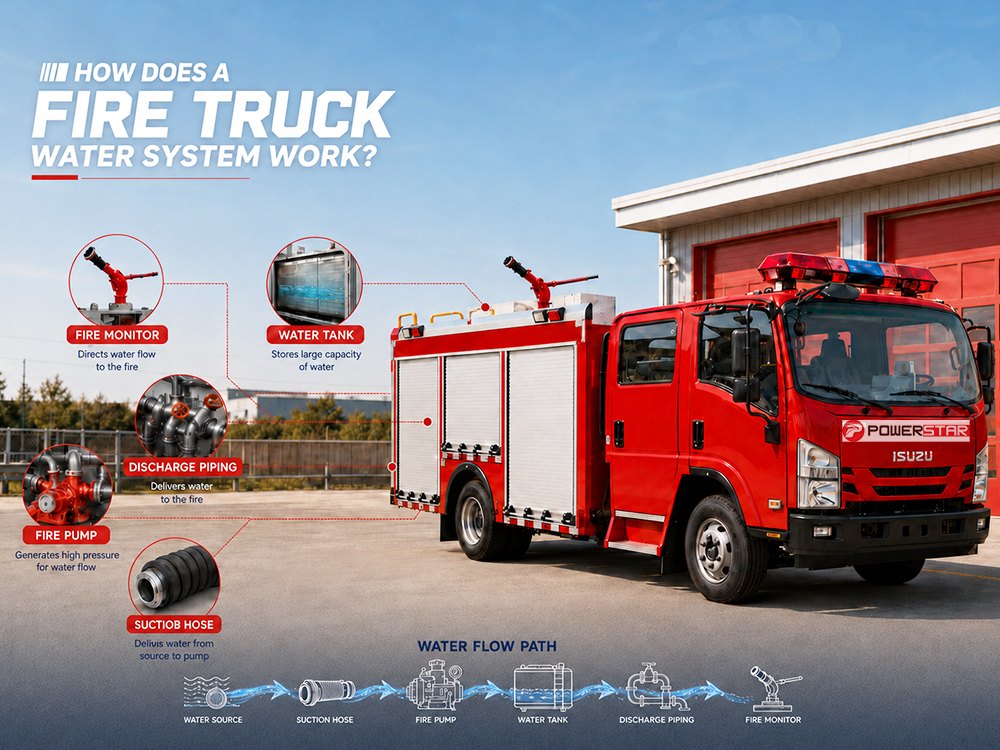
消防車の送水配管システムは、あらゆる消火活動の中核です。これは、タンクまたは外部水源からポンプ、バルブ、配管を通じて水を正確に送り、高圧水または泡を火災現場へ供給します。密集した都市中心部の高層ビル火災であっても、工業地帯の石油化学貯蔵タンク火災であっても同様です。消防車送水配管システムは、複数の構成部品が連携して動作します。構成部品には、消防ポンプ、水タンク、吸水ホース、吐出配管、バルブ、分岐接続管、集水接続管、ストレーナー、放水銃、ホースカップリングなどがあります。 完全な流路は次のとおりです。水タンク → 吸水ホース → ストレーナー → 消防ポンプ → 圧力調整システム → 吐出マニホールド → バルブ → 分岐接続管 → 放水銃/ホースカップリング → ノズル この記事では、送水配管システムの各構成部品と、それらが連携して適切な圧力と流量で水を供給する仕組みについて説明します。 I. 送水配管システムの主要構成部品 水タンク 車載給水を貯蔵します。 ● 容量:通常2,000~12,000リットルです。 ● 供給:吸水配管を通じてポンプへ水を供給します。 ● 特徴:車両の安定性を保つ防波板、異物をろ過するストレーナー、自然水源から吸水するための呼び水システムを備えています。 消防ポンプ PTOを介して車両エンジンで駆動される遠心ポンプで、単段式/多段式、鋳鉄製または青銅製があります。 ●圧力等級: 標準定格は0.8 MPa、1.0 MPa、1.2 MPa、1.4 MPaがあり、一般的な消火要件に対応しています。 ●流量: 1,200~6,000 L/minの範囲で、高圧運転と大流量運転の両方に最適化された性能曲線を備えています。 バルブと配管 水流の方向と量を制御する配管およびバルブのネットワークです。 ●吸水バルブ: ポンプを外部水源(消火栓または吸水地点)に接続します。 ● タンク・ポンプ間バルブ: ポンプが車載タンクから直接水を吸い上げることを可能にします。 ● 吐出バルブ: ホースやノズルへの水流を制御します。 II. 消防車の送水配管システムの動作原理 ステップ1:吸水と呼び水 水は車載タンク、消火栓、または自然水源(湖、川、池)からシステム内に入ります。自然水源から吸水する場合、呼び水システム(真空ポンプ)が吸水ホース内の空気を除去し、真空を作り出します。これにより大気圧が水をポンプ内へ押し込むことができます。ストレーナーが異物をろ過してポンプを保護し、逆止弁が逆流を防止します。 ステップ2:ポンプ加圧 遠心ポンプは、動力取り出し装置(PTO)を介してトラックのエンジンによって駆動されます。ポンプ内に水が満たされると、インペラが高速(1,500~2,500 RPM)で回転します。遠心力によって水が外側へ押し出され、速度が増加します。ポンプケーシングはこの速度を圧力に変換します(通常0.8~1.2 MPa)。電子式圧力ガバナーが設定圧力を自動的に維持し、安全弁が過加圧を防止します。 ステップ3:放水と分配 加圧された水は、ポンプから放水マニホールドを通って流れ、複数の放出口へ分配されます。バルブが各放出口への流量を制御します。分岐ブリーチングは水流を複数のホースラインに分け、複数の消防士が同時に消火活動を行えるようにします。集合ブリーチングは、追加の流量が必要な場合に複数の供給ラインからの水を合流させます。水は、放水モニター(大容量遠隔消火)、ホースライン(直接攻撃)、高圧リール(局所的な火災)を通じて供給されます。 III. 完全な消防車給水配管システム 1. 吸水システム(水供給とろ過) 構成部品 材料/工程 機能 吸水ホース 剛性、非折りたたみ式 吸水作業中の真空圧力に耐える ストレーナー ステンレス鋼メッシュ 流入する水から異物をろ過する 呼び水システム 回転ベーン式またはピストン式真空ポンプ 吸水作業前に吸水ホースから空気を除去する 逆止弁 真鍮またはステンレス鋼 水の逆流を防止する 2. ポンプシステム(圧力生成) 消防ポンプ:単段式または二段式遠心ポンプ。流量は1,200~6,000 L/min。圧力は最大2.5 MPa。トラックエンジンのPTOによって駆動されます。 圧力ガバナー:流量変化に関係なく、設定された放水圧力を自動的に維持する電子制御システム。 安全弁:圧力が設定限界を超えた場合に開き、余分な水をタンクへ戻して逃がす機械式安全弁。 3. 放水システム(水供給) 放水マニホールド:加圧された水を複数の放出口(DN65、DN80、DN100)へ分配します。 バルブ:ボールバルブまたはバタフライバルブが各放出口への水流を制御します。 分岐ブリーチング:1つの水流を2つ以上の流れに分け、複数のホースラインへ供給します。 集合ブリーチング:複数の供給ラインからの水を1つの流れに合流させます。 放水モニター:屋根取り付け式またはターンテーブル取り付け式、360°回転、垂直方向の傾斜角度は-30°~80°、放水距離は最大70メートル。 ホースカップリング:迅速かつ確実なホース接続用の標準Storzまたはねじ式カップリング。 固定式または可搬式ノズル:さまざまな消火状況に適しています。 IV. 消防車配管機能の概要 配管名 英語 機能 吸水ホース 吸水ホース 水の取り込み 送水管 送水管 高圧水を供給する 泡配管 泡配管 泡消火薬剤を供給する 循環配管 循環配管 ポンプの過熱を防止する 排水配管 排水配管 システム内の水を排出する 試験配管 試験配管 圧力試験 V. 一般的な問題と解決策 問題 考えられる原因 解決策 ポンプが呼び水できない 吸水ホース内の空気漏れ すべての吸水接続部を確認し、締め付ける 水圧が低い ストレーナの詰まり、インペラの摩耗 ストレーナを清掃し、インペラを点検する 水漏れ シールまたはガスケットの摩耗 シールとガスケットを交換する 圧力変動 システム内の空気、ガバナの故障 再呼び水を行う;圧力調整器を確認する 出口への流れがない バルブが閉じている、配管が詰まっている バルブを確認する;詰まりを解消する VI. よくある質問(FAQ) 1. 消防車の給水配管システムの主な動力源は何ですか? 中核となる動力は車両エンジンから供給され、動力取り出し装置(PTO)を介して消防ポンプを駆動します。エンジンの動力はポンプの作動に変換され、システムを稼働し続けるために吸水真空と吐出圧力を継続的に提供します。 2. 消防車の給水システムは河川や湖の水を直接使用できますか? はい。吸水ホースの先端にあるストレーナーは、通常の吸水作業においてほとんどの異物をろ過します。ただし、濁度の高い水は推奨されません。ポンプの摩耗を早め、配管の詰まりを引き起こし、装置の耐用年数に影響を与える可能性があるためです。 3. 分岐ブリーチングと集合ブリーチングの機能は何ですか? 分岐ブリーチングは1つの水流を複数の流れに分け、複数箇所で同時に消火活動を行えるようにします。集合ブリーチングは複数の供給ラインからの水を集めて取水流量を増加さ...
詳細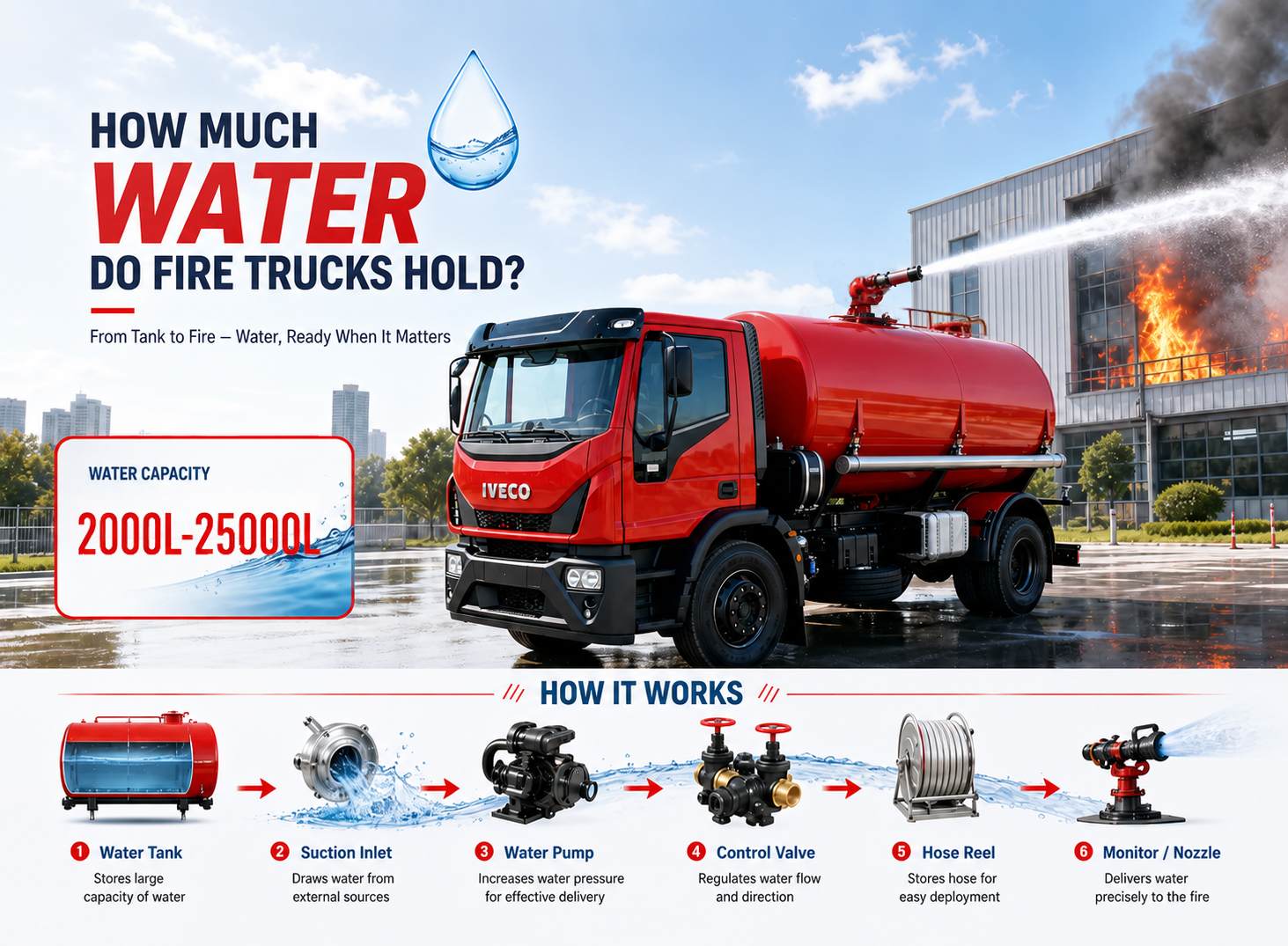
消防車はどれくらいの水を積載できますか?これは、お客様が消防車を選定する際に直面する最初の質問の一つです。単一の固定された数値はありません。車両タイプ、シャーシ容量、設計目的、地域の規制によって異なり、2,000リットルの軽量車両から25,000リットルの産業用消防車まで幅があります。しかし、タンクが大きいほど常に性能が優れているとは限りません。消防車 水タンク容量は、効果的な消火結果を得るために、ポンプ流量、放水銃の吐出量、シャーシ容量と適切に組み合わせる必要があります。 この記事では、消防車の水タンク容量の基礎から始め、さまざまな車両タイプの一般的な貯水範囲を分析し、タンク設計に影響を与える主要な要因を検討し、実用的な購入指針を提供します。 主なポイント: 消防車の水タンク容量は通常2,000~25,000リットルの範囲です 消防車の種類によってタンク容量は異なります 大きなタンクが必ずしも優れた消火能力を意味するわけではありません タンク容量はポンプ流量、放水銃の流量、シャーシ容量と適切に調整する必要があります 産業用消火では通常大容量タンクが必要ですが、自治体の消火活動では機動性が重視されます » I. 3種類の基本的な消防車水タンクタイプ ポンプ車:これらは最も一般的な自治体向け消防車です。主に消火栓からの給水に依存し、初期消火用として約1,900~3,800リットルの車載水を積載します。これらの車両の中心となるのはタンクではなくポンプであり、消火栓に接続した後に加圧水を供給するよう設計されています。 水槽車(給水車):これらの車両は大量の水を輸送することに特化しており、タンク容量は通常11,400リットルを超えます。消火栓が利用できない農村部や遠隔地で重要な役割を果たし、水源から火災現場まで水を運搬してポンプ車が使用できるようにします。 ポンプ水槽車:これらの車両は、1台でポンプ機能と水輸送機能を組み合わせています。消火用の放水と、他の車両への給水の両方が可能です。タンク容量は通常5,700~11,400リットルで、消防機関にとって多用途な選択肢となっています。 » II. 異なる種類の消防車はどれくらいの水を積載できるか? 消防車の種類 一般的なタンク容量 主な用途 軽量消防車 2,000~3,000 L 都市部での迅速対応、初期消火 自治体向けポンプ車 3,000~6,000 L 自治体の消火活動、建物火災 中型ポンプ車 6,000~10,000 L 都市部および産業用作業の組み合わせ 大型ポンプ車 10,000~15,000 L 長時間活動、長距離対応 産業用消防車 15,000~25,000 L 石油、化学、鉱業分野の消火 » III. 消防車の給水システムはどのように機能するか? 消防車は単なる移動式水タンクではなく、完全な送水システムです。タンクに貯蔵された水は、火災現場に到達する前に複数の主要部品を通過する必要があります。完全な流れは次の通りです: 水タンク → 吸水配管 → 消防ポンプ → 圧力制御システム → 放水マニホールド → 放水銃/ノズル/ホース 水タンク 水タンクは中核となる貯水容器です。その設計は、使用可能な水量と耐用年数に直接影響します。 防波板:走行中や急旋回時の水の揺動を防ぎ、車両の安定性を維持する内部仕切りです。 耐腐食材料:タンクは通常、長期的な水による腐食に耐えるため、304ステンレス鋼またはコーティングされた炭素鋼で製造されます。 マンホール:内部点検、清掃、メンテナンスのために、タンク上部に設けられたアクセス用開口部です。 水位計:残りの水量をリアルタイムで表示し、作業者が消火戦略を計画するのに役立ちます。 吸水配管 吸水配管は、タンクから消防ポンプへ水を送ります。通常は流動抵抗を低減するため大口径で設計され、逆流を防ぐための逆止弁を備え、異物がポンプに侵入するのを防ぐためのストレーナーが取り付けられています。 消防ポンプ 消防ポンプは給水システムの動力中核です。以下の役割を担います: 配管抵抗や高低差を克服するために水圧を高める 消火需要を満たすために流量を増加させる 長時間の作業に対応するため連続的な給水を提供する 放水システム 加圧された水は放水マニホールドを通じて各種放水装置へ送られます。これには、放水銃(大量放水による遠隔消火)、手持ちノズル(精密消火)、高圧ホースリール(局所的な火災や迅速な対応用)、複数の放水口(同時ホース接続用)が含まれます。 » IV. なぜ消防車はタンク容量の100%を放水できないのか? 多くの人は、10,000リットルのタンクであれば10,000リットルの水を放出できると考えています。しかし実際には、使用可能な水量は通常、タンクの公称容量より少なくなります。主な理由は以下のとおりです: 1. 吸水口の高さ制限 消防ポンプの吸水口は通常、タンク底面と同じ高さではなく、水タンクの底から一定の高さに設置されています。これは底部に沈殿した砂や不純物を吸い込むのを防ぐためです。ただし、その結果、最下部にある水の約5%~10%は吸い上げることができず、ポンプで利用できません。 2. 消防ポンプへの空気流入防止 吸水口は常に完全に水中にある必要があり、ポンプ本体へ空気が吸い込まれるのを防ぎます。空気が吸入されると、ポンプの空運転を引き起こし、キャビテーション(水と気泡の混合物中でインペラが回転し、気泡の崩壊によって衝撃波が発生してインペラを損傷する現象)を発生させ、圧力の急低下を招く可能性があります。深刻な場合、消防ポンプが損傷または完全に破損することがあります。 3. タンク内部の防波板の影響 防波板はタンクを複数の区画に分割します。車両の移動中の水の揺動を効果的に抑制する一方で、これらの区画底部にある流通孔は比較的小さいため、水位が低い場合は水の流量が制限され、一部の水が適時に吸水管付近へ到達できません。 公称容量 使用可能容量 損失率 5,000 L 約4,500~4,700 L 6%~10% 10,000 L 約9,000~9,400 L 6%~10% 15,000 L 約13,500~14,100 L 6%~10% » V. タンク容量と消防ポンプ流量の適合 適合原則:ポンプの流量が高すぎる場合、タンクは数分以内に空になります。流量が低すぎる場合、大容量タンクの容量を十分に活用できません。一般的な推奨事項として、定格流量での連続放水時間は5~10分以上であるべきです。 タンク容量 推奨ポンプ流量 推奨用途 2,000 L 30 L/s 小型消防車、地域消防 3,000~5,000 L 40 L/s 自治体消防、初期消火 6,000~8,000 L 60 L/s 自治体消防、建物火災 10,000~15,000 L 80 L/s 産業消防、長時間活動 15,000 L以上 100 L/s以上 石油化学、空港消防 » VI. 消防車の水タンク容量に影響する5つの主要要因 1. シャーシの積載能力 水タンク容量は主に車両総重量(GVW)によって制限されます。一般的な消防車のシャー...
詳細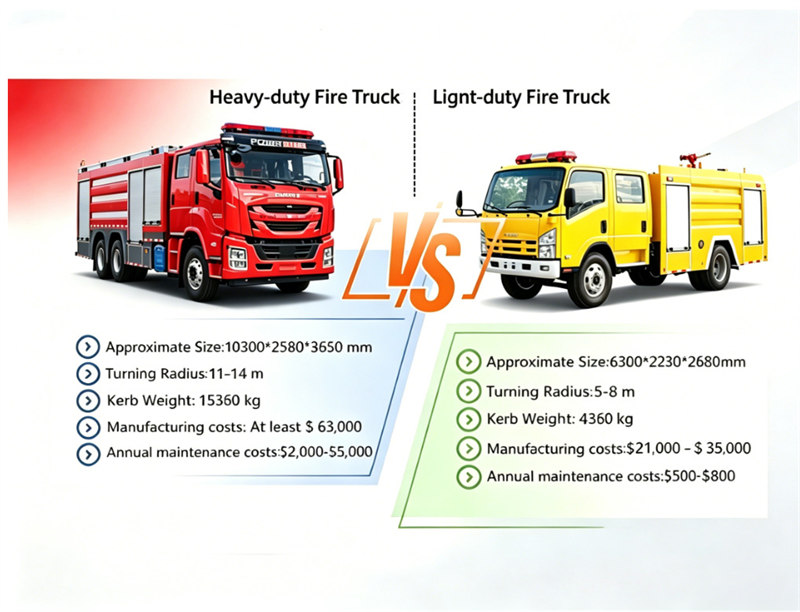
消防救助車のニーズは、都市圏と農村地域または小規模コミュニティの間で大きく異なります。大都市の消防署では、高層火災、工業火災、大規模緊急事態に対応するため、大容量の水タンク、高所用はしご、完全な産業規格仕様を備えた大型消防車に依存しています。しかし、小都市、農村の町、村の消防ステーション、ボランティア消防団にとって、大型消防車は利点よりも負担になることがよくあります。 このため、小型消防車は世界中の小都市や農村消防署にとって主流かつ最も実用的なソリューションとなっています。コンパクトなサイズ、柔軟な機動性、基本的な救助機能の完備、低い総コストを両立し、地域の消防チームの日常的な救助活動や防火ニーズに完全に適合します。小型消防車は、地域、郊外、農村の消防シナリオ向けに特別設計された、コンパクトで軽量な緊急消防車両です。 I. 大型消防車と小型消防車の比較: 明確に確認する大型消防車と小型消防車の違いを確認するため、主要な実用指標を網羅した直接比較表を用意しました。大型モデルは全長10メートルを超え、最小回転半径11~14m、車両重量15トンで、製造費は少なくとも63,000ドル、年間維持費は2,000~5,000ドルかかります。一方、コンパクトな小型消防車は寸法をほぼ半分に抑え、重量はわずか4,360kg、価格は21,000ドルからで、年間メンテナンス費用は800ドル未満に抑えられ、農村部や小規模町の消防ステーションに優れた機動性と予算価値を提供します。 Ⅱ.小型消防車の主な特徴: 1. 軽量でありながら高い積載性能を持つ設計。満載状態でも車両総重量は8,000kg未満に保たれ、超高速の緊急対応を可能にします。 2. 全輪駆動のカスタマイズが可能で、遠隔地域で一般的な悪路や不均一な路面への対応に適しています。 3. 包括的な消火機能を完全に維持: a. 水用と消火泡用の2つの独立タンク。 b. 対応する消防隊員全員を収容できる2列式クルーキャブ。 c. 緊急救助および消火用工具の完全な標準装備。 d. 現場照明システムや牽引装置などのオプション追加装備。 4. パワーテイクオフ(PTO)システムは主要な作動駆動装置として機能します。直感的な操作と簡単なメンテナンスおよび部品交換を特徴としています。耐久性の高い主要部品により、農村部や町村の消防署における長期的な緊急運用コストを大幅に削減します。 Ⅲ以下は、最も人気のある小型消防車モデルです: シャーシモデル HOWO 1880 駆å
詳細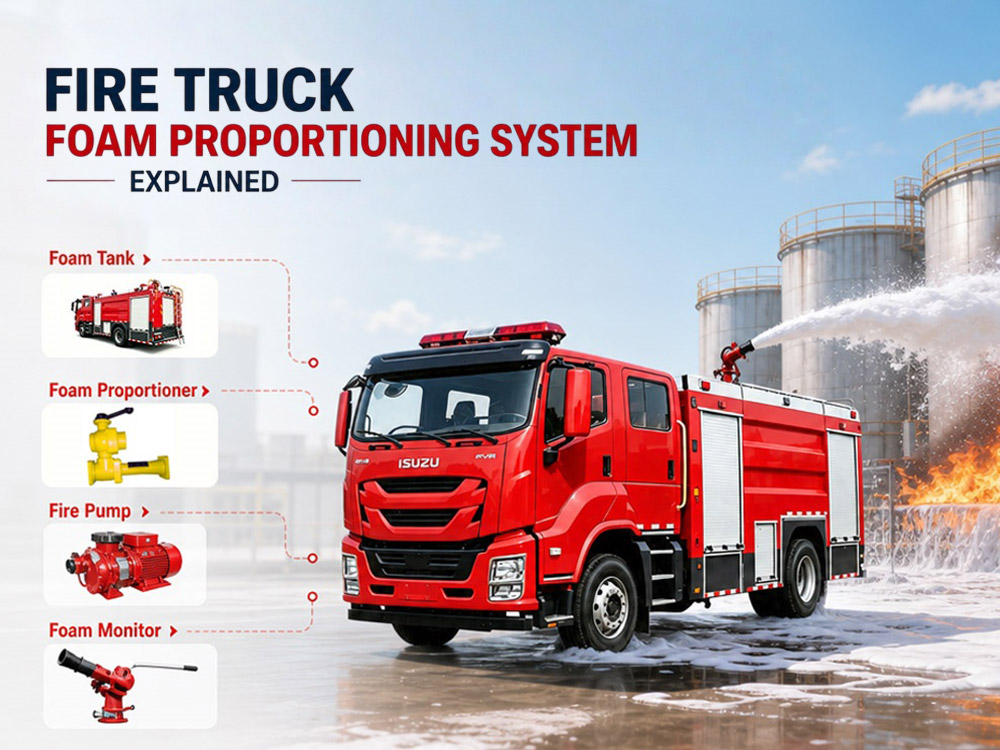
消防車の泡システムは、水と泡消火薬剤を正確な比率(1%、3%、または6%)で混合して泡溶液を生成します。この溶液はその後、消防ポンプによって加圧され、泡ノズルを通して空気と混合・膨張します — これが泡消火車が泡と水を混合する仕組みの基本原理です — 最終的に燃料表面を覆う安定した泡の層を生成します。このプロセスにより消火効率は50%以上向上し、泡消火薬剤の廃棄量を30%削減できます。 » I. なぜ消防車には泡システムが必要なのか? 水だけを使用する場合と比較して、泡には3つの主な利点があります: 1. 酸素遮断 — 泡は燃焼面を覆い、酸素が燃焼領域に到達するのを防ぐ密な物理的障壁を形成し、それによって火災を抑制します。 2. 温度低下 — 泡溶液中の水分は蒸発時に大量の熱を吸収し、燃焼区域の温度を急速に低下させます。 3. 再燃防止 — 泡の層は消火後も火災区域を覆い続け、酸素と可燃性蒸気を効果的に遮断し、再燃のリスクを大幅に低減します。 » II. 泡システムの基本的な動作原理 1. 混合比調整システム: 水が混合装置を通過 → 負圧を発生(負圧式システム)または泡ポンプを使用(正圧式システム) → 泡タンクから泡消火薬剤を吸引 → 設定比率(1%、3%、または6%)で混合 → 泡溶液がポンプへ流れる。 2. ポンプによる加圧: 泡溶液が遠心ポンプに流入 → 0.8〜1.2 MPaまで加圧 → 配管を通じて放出口または泡放射銃へ送られる。 3. 泡の膨張: 加圧された泡溶液が泡ノズルまたは空気混入装置を通過 → 空気が取り込まれる → 溶液が完成した泡へ膨張 → 燃料表面を覆う → 酸素を遮断し火災を抑制する。 重要な概念: 泡消火薬剤+水は完成した泡とは同じではありません。混合された泡溶液はまだ液体であり、真の消火用泡になるには泡ノズルを通じて空気と結合する必要があります。高圧の泡溶液が高速でノズルを通過すると、局所的な負圧領域が発生し、強制的に空気を取り込みます。ノズル内部で空気と液体が衝突し激しくせん断されることで、瞬時に数百万個の微細な気泡へ分解され、白い泡の層を形成します。 » III. 消防車はどのように泡と水を混合するのか? 消防車での泡混合プロセスは、水の供給から最終的な泡の形成まで、4つの主要なステップで構成されています。 ステップ1:消防ポンプが水流を供給する 消防車の始動後、消防ポンプが泡システムに動力を供給します。水源には、車載タンク、消火栓、河川、湖、または貯水池などがあります。消防ポンプは水圧を構築し、安定した流量を確保し、水を泡混合比調整システムへ送り込む役割を担います。 ステップ2:泡消火薬剤がシステムに入る 消防車には独立した泡タンク(304ステンレス鋼製、200〜2,000リットル)が装備されています。作業者が泡モードを作動させると、泡消火薬剤が水流に入り込みます。 ステップ3:泡消火薬剤と水が適切な比率で混合される 泡混合比調整システムは、設定された比率に基づいて添加する泡消火薬剤の量を正確に制御します。 計算例: 消防ポンプの流量が60 L/sで、泡の混合比が3%の場合、60 × 3% = 1.8 L/sの泡消火薬剤が毎秒追加され、泡溶液の流量は61.8 L/sになります。 一般的な混合比と用途: 混合比 用途例 0.1%〜0.3% 湿潤剤、水の効果向上(A級火災) 1% 一部のA級火災、低発泡泡の用途 3% 石油、燃料油、炭化水素液体火災(標準比率) 6% 大規模な燃料油火災、極性溶剤火災(アルコール、アセトンなど) ステップ4:消火泡の形成 空気と混合された後、泡溶液は安定した泡の層を形成し、体積が大幅に膨張して、より広い範囲を覆います。酸素を効果的に遮断し、燃料表面を冷却し、可燃性蒸気を抑制します。 » IV. 消防車泡システムの3つの主要構成要素 泡タンク 304ステンレス鋼製構造、防食設計、マンホールカバー、液面表示器、排水口、通気弁を装備。 泡比例混合器 水配管内に設置され、負圧または正圧を利用して泡消火剤を水流に注入します。一般的な混合比率:1%、3%、6%。 泡放射モニター 屋根設置型または手持ち型で、水平360°回転、垂直-30°~80°傾斜が可能で、消火用の発泡泡を生成できます。 » V. 消防車の泡比例混合システムの種類 1. ポンプ直接比例混合システム(負圧式) 消防ポンプによって発生する負圧を利用して、泡タンクから泡消火剤を水流に吸引します。標準的な泡消防車や自治体の消防車両に適しています。 利点: 複雑な可動部品がなく、構造が単純 低コストで経済的 メンテナンスが容易で、故障率が低い 信頼性が高く、耐久性がある 欠点: 混合精度は中程度で、水圧や流量変化の影響を大きく受ける 大きな流量変動時には正確な比率を維持できない 泡の混合比率は通常固定(例:3%または6%)で、調整できない 2. 平衡圧力式泡比例混合システム 独立した泡ポンプが圧力を発生させ、常に泡消火剤の圧力を水圧と等しく(均衡させて)維持します。システムは圧力調整弁を通じて2つの流れの圧力差を継続的に監視し、自動的に均衡化することで、流量や圧力条件が変化しても正確な混合比率を確保します。石油化学消防車や空港用消防車に適しています。 利点: 誤差が最小限の正確な混合比率 流量変化に適応し、流量変動時も安定性を維持 安定性が高く、水圧変化の影響を受けにくい 混合比率を範囲内で調整可能(例:1%~6%) 欠点: 構造がより複雑で、追加の泡ポンプと制御システムが必要 ポンプ直接式システムより高コスト より高いメンテナンス要件 3. 電子式泡比例混合システム 動作原理:流量センサー、電子制御ユニット、精密注入バルブで構成される閉ループ制御システムを使用します。このシステムは水流量と泡消火剤流量をリアルタイムで監視し、泡消火剤の注入量を自動的に計算・調整することで、常に正確な混合比を維持します。高級消防車、大規模産業用消火システム、空港用消防車に適しています。 利点: 高度に自動化されており、手動操作が不要 非常に高精度で、精度は最大±0.5% 混合比とシステム状態をリアルタイムで監視 幅広い流量変化に対応 データ記録および運用分析機能 欠点: コストが高く、初期投資が大きい 保守・修理には専門技術者が必要 電子部品に依存するため、過酷な環境の影響を受ける可能性がある 4. CAFS(圧縮空気泡システム) 動作原理:CAFSは、水、泡消火剤、圧縮空気を特定の比率で混合し、高品質で高エネルギーのドライフォームを生成する高度な泡消火技術です。圧縮空気を導入することで泡の体積が大幅に拡大し、微細で均一性が高く、付着力に優れた高品質な泡を生成します。高度な消火用途、森林火災、産業施設、空港用消防車に適しています。 主な利点: 優れた泡の付着性 — 泡が垂直面および水平面に長時間付着 節水性 — 従来の水系消火と比較して水使用量を大幅に削減 高い消火効率 — 火源を迅速に覆い、温度を低下させ、再燃を抑制 密閉空間での利点 — 含水量が少ないため、二次的な水害を低減 欠...
詳細
読み進めて、最新情報を入手し、購読して、ご意見をお聞かせください。


 日本語
日本語 English
 français
 Deutsch
 русский
 italiano
 español
 português
 Nederlands
 العربية
 한국의
한국의 Türkçe
 Melayu
 ไทย
ไทย Tiếng Việt
 Indonesia
  中文
中文 қазақ
қазақ Filipino
 မြန်မာ
 српски

 IPv6ネットワークがサポートされています