メッセージを送信
製品にご興味をお持ちで、詳細を知りたい場合は、メッセージをお送りください。できるだけ早く返信いたします。

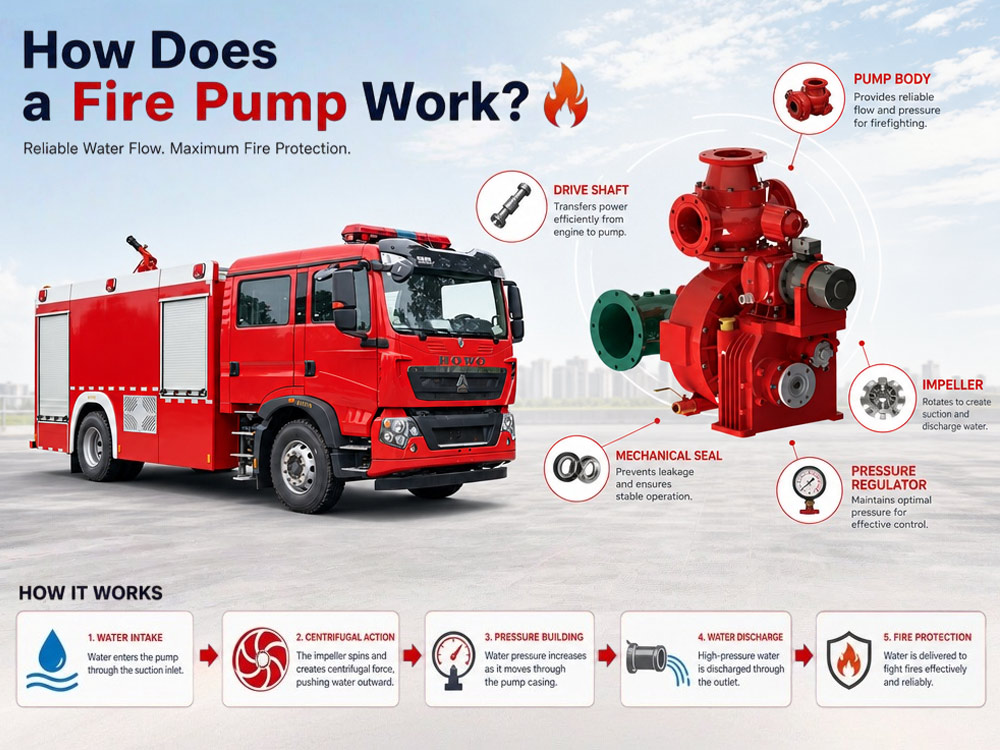
消防ポンプは、あらゆる消防車の送水システムの心臓部です。建物火災、産業緊急事態、空港事故、山火事対応のいずれに出動する場合でも、消防ポンプ消防車の 消防車に搭載されているものは、ホース、放水銃、泡システムへ高圧水を供給する役割を担っています。その遠心インペラー設計とPTO駆動システムにより、安定した圧力と高い流量を確保し、消火活動の効果を40%以上向上させると同時に、対応時間を3分の1に短縮します。消防活動における目に見えない守護者であり、現代の緊急対応技術の基盤とも言えます。
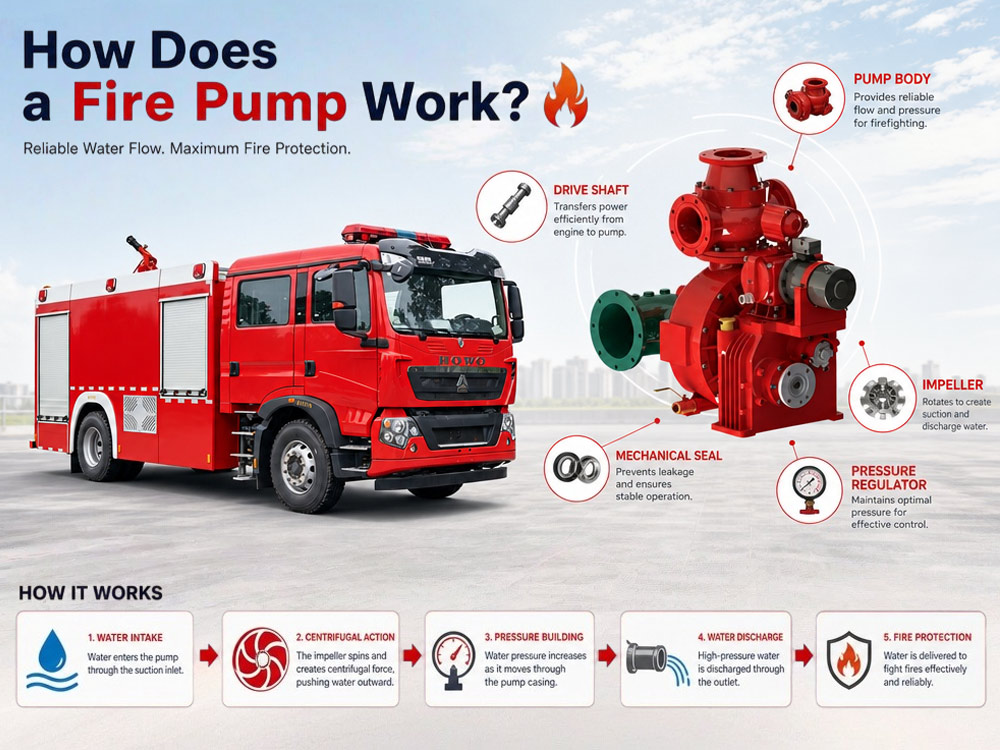
消防ポンプの仕組みについて、動作原理、主要部品、水流プロセス、圧力生成、用途などを学びましょう。消防車のポンプがどのように信頼性の高い消火用水を供給するのか、また消防車両に適したポンプをどのように選択するのかを理解できます。今日はそれについて学びましょう。
1. インペラー:水を吸い込み、遠心力によって外側へ送り出す回転部品です。通常、青銅、ステンレス鋼、または鋳鉄で作られています。
2. ポンプケーシング:インペラーを収容し、水流を導くハウジングです。速度を圧力へ変換するよう設計されています。
3. 動力取り出し装置(PTO):消防車のトランスミッションから消防ポンプへエンジン動力を伝達する機械的接続部です。
1. PTOを介してエンジンから動力が伝達される
消防車のエンジンがPTOを駆動し、PTOはポンプシャフトに接続されています。オペレーターがPTOを作動させると、エンジン動力がポンプのインペラーを高速回転させるために切り替えられます。
2. インペラーが回転を開始する
インペラーは毎分1,500~2,500回転で回転し、吸水口からポンプ内へ水を取り込みます。回転するインペラーの羽根は中央部に低圧領域を作り、車載水槽、消火栓、または自然水源から水を吸い上げます。
3. 遠心力によって水圧が上昇する
インペラーが回転すると、遠心力によって水が外側へ押し出されます。水はインペラーの中心から外周へ移動するにつれて速度が増加します。その後、ポンプケーシングがこの速度を圧力に変換し、高圧水を吐出口から押し出します。
4. 高圧水が吐出口から排出される
加圧された水(通常0.8~1.2 MPa)は吐出口から排出され、消火活動のために消防ホース、放水銃、または泡混合システムへ送られます。
消防ポンプは3つの水源から水を吸い上げることができます:
車載水槽:初期攻撃時の主要な水源です。一般的な容量は2,000~12,000リットルです。現場到着時に即座に水を供給できます。
消火栓:供給ホースを介して接続されます。長時間の活動に継続的な水供給を提供します。消火栓からの圧力はポンプが流量を維持するのを助けます。
自然水源(吸水作業):湖、川、池、またはプールなどです。ポンプは吸水ホース内の空気を除去するための呼び水システムを使用してから吸水します。海面での理論上の最大吸水高さは約10メートル(33フィート)です。実際に有効な吸水深さは通常7~8メートルです。
吸水作業の手順:
硬質吸水ホースをポンプ吸入口に接続する
ストレーナーを水面下少なくとも2~3フィートに沈める
呼び水装置を作動させ、ホースとポンプ内の空気を除去する
真空が形成され、大気圧によって水が押し上げられる
水がポンプを満たし、その後遠心ポンプが水を加圧する
吸水口:水がポンプへ入る場所です。一般的なサイズはDN100~DN150です。異物の侵入を防ぐストレーナーが装備されています。
吐出口:加圧された水が排出される場所。一般的なサイズ: DN65–DN80(標準吐出口)。ホースや放水銃への流量を制御するバルブを備える。複数の吐出口により同時使用が可能。
羽根車:水流を発生させる回転部品。機械エネルギーを運動エネルギーに変換する。通常は青銅(耐腐食性)、ステンレス鋼(耐久性が高く長寿命)、または鋳鉄(標準用途で費用対効果が高い)で作られる。
ポンプケーシング:水流を導く外装部品。速度を圧力に変換するよう設計されている。一般的な設計: ボリュートケーシング(滑らかな流れを実現する渦巻き形状)とディフューザーケーシング(より高い効率向け)。
呼び水システム:吸水作業前にポンプと吸水ホースから空気を除去する。種類には以下がある:
真空呼び水装置:回転ベーン式またはピストン式の設計。高速で効率的。現代の消防車で最も一般的。
排気呼び水装置:エンジン排気を使用して真空を生成する。単純だが効果は低い。
電動呼び水装置:モーター駆動式。ポンプを回転させずに呼び水が可能。メカニカルシールを空運転による損傷から保護する。
圧力逃し弁:過圧を防止する。圧力が設定限界を超えると開く。ホース、ポンプ、消防士を保護する。
圧力ガバナー:設定圧力を自動的に維持する。流量変化を補正するためエンジン回転数を調整する。操作員の負担を軽減する。圧力モード(設定圧力を維持)とRPMモード(設定エンジン回転数を維持)で利用可能。
PTO(動力取り出し装置):エンジンとポンプの接続部。エンジンの動力をポンプ駆動へ伝達する。消防車では通常、最大出力を得るためサンドイッチPTO(エンジンとトランスミッションの間に取り付ける方式)を使用する。
| ポンプ種類 | 利点 | 一般的な用途 |
|---|---|---|
| 単段遠心ポンプ | 高流量、単純な設計、費用対効果が高い | 自治体の消防車 |
| 二段消防ポンプ | より高い圧力、切替可能なモード | 高層建築物の消火活動、長距離ホース展張 |
| ミッドシップ消防ポンプ | 優れたバランス、安定した運転 | 標準的な消防車両 |
| 後部搭載消防ポンプ | 容易なメンテナンス、優れた冷却性能 | 空港用および産業用消防車 |
| 比較項目 | 消防ポンプ | 標準型ウォーターポンプ |
|---|---|---|
| 作動圧力 | 高い(0.8~2.5 MPa) | 低い(0.2~0.6 MPa) |
| 流量 | 高い(1,200~6,000 L/分) | 中程度(500~2,000 L/分) |
| 連続運転 | はい(長時間使用向けに設計) | モデルによる |
| PTO駆動 | はい | 通常は不要 |
| 消防基準への適合 | はい(NFPA、EN、GB認証取得) | いいえ |
| 用途分野 | 消防および救助 | 産業用、農業用、家庭用給水 |
| 用途 | 推奨ポンプ | 理由 |
|---|---|---|
| 自治体消防 | 単段式(1,200~3,000 L/分) | 費用対効果が高く、ほとんどの火災に十分対応可能 |
| 高層ビル | 二段式(2,000~4,000 L/分) | 垂直揚水に必要な高い圧力 |
| 石油化学プラント | 二段式(3,000~6,000 L/分) | 産業火災に対応する高流量・高圧力 |
| 空港事故救助 | 後部搭載型(4,000~6,000 L/分) | 高流量で、メンテナンスが容易 |
| 山林火災消防 | 単段式(1,000~2,000 L/分) | 軽量で携帯可能 |
消防ポンプは遠心力によって圧力を生成します。インペラが回転すると、水を中心部に吸い込み、高速で外側へ放出します。ポンプケーシングは、この高速の水流を減速させることで圧力に変換します。
圧力に影響を与える要因:
インペラ速度:回転速度が速い = 圧力が高い。インペラ速度はエンジン回転数(RPM)に正比例します。
エンジン回転数(RPM):エンジン速度が高い = インペラが速く回転 = 圧力が高い。オペレーターはエンジンスロットルを調整するか、圧力ガバナーを使用して圧力を制御します。
ポンプ設計:二段式ポンプは、2つのインペラを直列に使用することで、単段式ポンプより高い圧力を達成できます。
配管直径:直径が小さい = 圧力が高いが流量は低い。直径が大きい = 圧力は低いが流量は高い。オペレーターは消火作業の内容に基づいて圧力と流量のバランスを取る必要があります。
水源:十分な水供給は圧力を維持するために不可欠です。供給不足になると圧力が低下します。
1. ポンプが吸水できない
考えられる原因: 吸水ホースの空気漏れ、ストレーナの詰まり、プライマーの故障。
解決策: すべての吸水ホース接続部を確認して締め付ける。ストレーナを清掃する。プライマーシステム(真空ポンプまたは電動プライマー)を点検し、必要に応じて修理する。
2. 水圧が低い
考えられる原因: ストレーナの詰まり、エンジン回転数不足、摩耗したインペラ、システム内の空気。
解決策: ストレーナを清掃する。エンジン速度を上げる。インペラの摩耗を点検し、必要に応じて交換する。空気漏れを確認し、再度吸水する。
3. キャビテーション
発生: キャビテーションは、ポンプに十分な水が供給されない場合に発生します。インペラは水と蒸気気泡の混合物の中で回転します。これらの気泡が崩壊すると、衝撃波が発生してインペラを損傷し、深刻な圧力変動を引き起こします。
防止方法: 水供給能力を超える速度でポンプを運転しない。吸込圧力を監視する。真空度が高すぎる場合はポンプ速度を下げる。ストレーナが詰まっていないことを確認する。
4. 水漏れ
確認項目: すべてのシールとガスケットを確認する。ポンプケーシングに亀裂がないか点検する。排水バルブが閉じていることを確認する。摩耗したシールは直ちに交換する。
5. 過熱
原因: ポンプの空運転、不十分な冷却、水流がない状態での長時間運転。
メンテナンスのポイント: 水なしでポンプを運転しない。冷却ラインが詰まっていないことを確認する。運転の合間にポンプを冷却する。サーマルリリーフバルブを定期的に点検する。
» VIII. 実際の事例研究: 市消防局のポンプアップグレード
背景:
老朽化した消防車を保有する市消防局は、前線で使用する3台の消防車のポンプシステムをアップグレードする必要がありました。既存のポンプは高層建築物での消火活動中に圧力を維持することが困難で、頻繁な修理が必要でした。
課題:
50メートルを超える高さで圧力が不安定
自然水源からの吸水が遅い(吸水時間 >45秒)
高圧時の流量不足
シールの頻繁な故障とインペラの摩耗
解決策:
CB10/60消防ポンプ(1.0 MPaで60 L/s)
電動真空プライマー(吸水速度を向上)
自動圧力ガバナー(安定した圧力を維持)
アップグレードされたポンプのシールとベアリング
より大きなストレーナー付きの新しい吸水ホース
結果:
| 単位 | 導入前 | 導入後 |
|---|---|---|
| 50mの高さでの圧力 | 0.6 MPa | 0.9 MPa |
| 吸水時間 | 45秒 | 18秒 |
| 最大圧力時の流量 | 40 L/s | 55 L/s |
| 年間のシール交換回数 | 4 | 0 |
圧力は25%上昇、吸水時間は35%短縮、消火効率が大幅に向上し、メンテナンスコストは60%削減されました。消防部門は、大規模火災時の対応時間が短縮され、ポンプ稼働の信頼性が向上したと報告しています。
1. 必要な流量を決定する
| 用途 | 推奨流量 |
|---|---|
| 自治体の消防活動 | 30–60 L/s |
| 工業団地 | 60–100 L/s |
| 空港のクラッシュ救助 | 100+ L/s |
| 森林火災対応 | 20–40 L/s |
| 高層ビル | 40–80 L/s |
2. 必要な圧力を決定する
| 用途 | 推奨圧力 |
|---|---|
| 自治体の消防活動 | 0.8–1.0 MPa |
| 工業団地 | 1.0–1.2 MPa |
| 石油化学プラント | 1.2–1.4 MPa |
| 空港救難消防 | 1.0–1.2 MPa |
| 高層ビル | 1.5–2.5 MPa |
3. 水源を考慮する
消火栓供給: 単段ポンプで十分です。呼び水は不要です。
搭載タンク: 単段または二段ポンプ。吸水運転には呼び水が必要です。
自然水源(吸水): 真空プライマーが必要です。高揚程の場合は二段ポンプを使用します。
4. 消防車のサイズと構成
| シャーシ | 推奨ポンプ |
|---|---|
| 4×2 | 単段、1,200–2,000 L/min |
| 4×4 | 単段、2,000–3,000 L/min |
| 6×4 | 二段、3,000–4,500 L/min |
| 8×4 | 二段、4,000–6,000 L/min |
Q: 消防ポンプとは何ですか?
A: 消防ポンプは、PTOシステムを介して車両エンジンで駆動される遠心ポンプです。搭載タンク、消火栓、または自然水源から水を吸い上げ、インペラを回転させることで水圧を高め、消火活動のためにホースや放水銃へ高圧水を供給します。
Q: 消防ポンプはどのように水圧を高めますか?
A: インペラが高速(1,500–2,500 RPM)で回転し、水を中心部に取り込み、遠心力によって外側へ送り出します。ポンプケーシングは、この高速の水流を減速させることで圧力に変換します。インペラ速度が高いほど、圧力も高くなります。
Q: 消防ポンプは標準的なウォーターポンプと同じですか?
A: いいえ。消防ポンプは、より高い圧力(0.8–2.5 MPa)、より高い流量(1,200–6,000 L/min)、および継続的な緊急運転向けに設計されています。標準的なウォーターポンプは低い圧力で動作し、消火活動やPTO駆動システム向けには設計されていません。
Q: 消防車のポンプは何によって動力を得ますか?
A: 消防車のエンジンは、動力取出装置(PTO)システムを介して消防ポンプを駆動します。運転者がPTOを作動させると、エンジンの動力がポンプのインペラを回転させるために送られます。別個のエンジンは必要ありません。
Q: なぜ消防ポンプにはプライマーが必要ですか?
A: プライマーは、湖、川、池などから吸水する前に、ポンプと吸水ホース内の空気を除去します。遠心ポンプは、システム内に空気がある場合、水を移送できません。プライマーが真空を作り出し、大気圧によって水がポンプ内へ押し込まれるようにします。
Q: 単段消防ポンプと二段消防ポンプの違いは何ですか?
A: 単段ポンプには1つのインペラがあり、中程度の圧力で高流量を提供します。二段ポンプには直列に配置された2つのインペラがあり、より高い圧力を提供できます。二段ポンプは、容量モード(高流量)と圧力モード(高圧)を切り替えることができます。
Q: 消防ポンプは川から水を吸い上げることができますか?
A: はい。消防ポンプは、ドラフティングと呼ばれる工程によって、川、湖、池、プールから水を吸い上げることができます。プライマーは吸水ホースとポンプ内の空気を除去し、真空を作り出します。大気圧が水をポンプ内へ押し上げます。実用上の最大吸上げ高さ:約7~8メートル。
Q: 消防ポンプのキャビテーションの原因は何ですか?
A: キャビテーションは、ポンプが十分な水を受け取れない場合に発生します。インペラは水と蒸気の気泡が混ざった状態で回転します。これらの気泡が崩壊すると、インペラを損傷する衝撃波が発生します。キャビテーションは、水の供給能力を超える速度でポンプを運転すること、目詰まりしたストレーナー、または過大な吸上げ高さによって引き起こされます。
Q: 消防ポンプはどのくらいの頻度で整備すべきですか?
A: 毎日の点検(騒音、振動、漏れ)、毎週の試験(プライマー、圧力ガバナー)、毎月の点検(インペラ、ベアリング、逃し弁)、毎年の全流量試験および水圧試験を行います。定期的なメンテナンスにより、緊急時の予期しない故障を防止できます。
Q: 消防車に適した消防ポンプはどのように選べばよいですか?
A: 必要な流量(火災リスクに基づく)、圧力要件(建物の高さに基づく)、水源(消火栓、タンク、または自然水源)、消防車のシャーシ(4×2、4×4、6×4、8×4)、ポンプのブランドと信頼性、メンテナンスおよびサービスサポートを考慮します。ポンプは車両のエンジン出力とPTO構成に適合している必要があります。
消防ポンプは遠心力を利用して水圧を高めます。インペラが水を吸い込み、外側へ放出することで、速度を圧力へ変換します。
ほとんどの消防車用ポンプは、PTOシステム(Power Take-Off:動力取り出し装置)によって駆動されます。エンジンの動力がポンプへ振り分けられるため、別途エンジンは必要ありません。
水は車載タンク、消火栓、または開放水源から供給できます。自然水源からドラフティングするには、吸水ホース内の空気を除去するプライマーが必要です。
プライミングシステムは、自然水源からドラフティングする前に空気を除去します。真空プライマーが最も一般的で、電動プライマーはメカニカルシールの保護機能を提供します。
ポンプ性能は、流量、圧力、インペラサイズ、エンジン出力によって決まります。ポンプを消火作業に適合させることが重要です。
適切なメンテナンス(毎日、毎週、毎月、毎年)は、信頼性と耐用年数を向上させます。定期的な試験により、緊急時の予期しない故障を防止できます。
ポンプの動作を理解することは、購入者が消防車に適した仕様を選択するのに役立ちます。ポンプはシャーシ、PTO、および消火要件に適合している必要があります。


次の情報に興味があるかもしれません
消防ポンプは、あらゆる消防車の送水システムの心臓部です。建物火災、産業緊急事態、空港事故、山火事対応のいずれに出動する場合でも、消防ポンプ消防車の 消防車に搭載されているものは、ホース、放水銃、泡システムへ高圧水を供給する役割を担っています。その遠心インペラー設計とPTO駆動システムにより、安定した圧力と高い流量を確保し、消火活動の効果を40%以上向上させると同時に、対応時間を3分の1に短縮します。消防活動における目に見えない守護者であり、現代の緊急対応技術の基盤とも言えます。 消防ポンプの仕組みについて、動作原理、主要部品、水流プロセス、圧力生成、用途などを学びましょう。消防車のポンプがどのように信頼性の高い消火用水を供給するのか、また消防車両に適したポンプをどのように選択するのかを理解できます。今日はそれについて学びましょう。 » I. まず、消防ポンプシステムの3つの主要構成部品を理解する必要があります: 1. インペラー:水を吸い込み、遠心力によって外側へ送り出す回転部品です。通常、青銅、ステンレス鋼、または鋳鉄で作られています。 2. ポンプケーシング:インペラーを収容し、水流を導くハウジングです。速度を圧力へ変換するよう設計されています。 3. 動力取り出し装置(PTO):消防車のトランスミッションから消防ポンプへエンジン動力を伝達する機械的接続部です。 » II. 主要部品を理解した後、消防ポンプの基本的な動作原理は以下のとおりです: 1. PTOを介してエンジンから動力が伝達される 消防車のエンジンがPTOを駆動し、PTOはポンプシャフトに接続されています。オペレーターがPTOを作動させると、エンジン動力がポンプのインペラーを高速回転させるために切り替えられます。 2. インペラーが回転を開始する インペラーは毎分1,500~2,500回転で回転し、吸水口からポンプ内へ水を取り込みます。回転するインペラーの羽根は中央部に低圧領域を作り、車載水槽、消火栓、または自然水源から水を吸い上げます。 3. 遠心力によって水圧が上昇する インペラーが回転すると、遠心力によって水が外側へ押し出されます。水はインペラーの中心から外周へ移動するにつれて速度が増加します。その後、ポンプケーシングがこの速度を圧力に変換し、高圧水を吐出口から押し出します。 4. 高圧水が吐出口から排出される 加圧された水(通常0.8~1.2 MPa)は吐出口から排出され、消火活動のために消防ホース、放水銃、または泡混合システムへ送られます。 » III. 消防ポンプはどこから水を得るのか? 消防ポンプは3つの水源から水を吸い上げることができます: 車載水槽:初期攻撃時の主要な水源です。一般的な容量は2,000~12,000リットルです。現場到着時に即座に水を供給できます。 消火栓:供給ホースを介して接続されます。長時間の活動に継続的な水供給を提供します。消火栓からの圧力はポンプが流量を維持するのを助けます。 自然水源(吸水作業):湖、川、池、またはプールなどです。ポンプは吸水ホース内の空気を除去するための呼び水システムを使用してから吸水します。海面での理論上の最大吸水高さは約10メートル(33フィート)です。実際に有効な吸水深さは通常7~8メートルです。 吸水作業の手順: 硬質吸水ホースをポンプ吸入口に接続する ストレーナーを水面下少なくとも2~3フィートに沈める 呼び水装置を作動させ、ホースとポンプ内の空気を除去する 真空が形成され、大気圧によって水が押し上げられる 水がポンプを満たし、その後遠心ポンプが水を加圧する » IV. 消防ポンプのシステム構成部品と主要機能: 吸水口:水がポンプへ入る場所です。一般的なサイズはDN100~DN150です。異物の侵入を防ぐストレーナーが装備されています。 吐出口:加圧された水が排出される場所。一般的なサイズ: DN65–DN80(標準吐出口)。ホースや放水銃への流量を制御するバルブを備える。複数の吐出口により同時使用が可能。 羽根車:水流を発生させる回転部品。機械エネルギーを運動エネルギーに変換する。通常は青銅(耐腐食性)、ステンレス鋼(耐久性が高く長寿命)、または鋳鉄(標準用途で費用対効果が高い)で作られる。 ポンプケーシング:水流を導く外装部品。速度を圧力に変換するよう設計されている。一般的な設計: ボリュートケーシング(滑らかな流れを実現する渦巻き形状)とディフューザーケーシング(より高い効率向け)。 呼び水システム:吸水作業前にポンプと吸水ホースから空気を除去する。種類には以下がある: 真空呼び水装置:回転ベーン式またはピストン式の設計。高速で効率的。現代の消防車で最も一般的。 排気呼び水装置:エンジン排気を使用して真空を生成する。単純だが効果は低い。 電動呼び水装置:モーター駆動式。ポンプを回転させずに呼び水が可能。メカニカルシールを空運転による損傷から保護する。 圧力逃し弁:過圧を防止する。圧力が設定限界を超えると開く。ホース、ポンプ、消防士を保護する。 圧力ガバナー:設定圧力を自動的に維持する。流量変化を補正するためエンジン回転数を調整する。操作員の負担を軽減する。圧力モード(設定圧力を維持)とRPMモード(設定エンジン回転数を維持)で利用可能。 PTO(動力取り出し装置):エンジンとポンプの接続部。エンジンの動力をポンプ駆動へ伝達する。消防車では通常、最大出力を得るためサンドイッチPTO(エンジンとトランスミッションの間に取り付ける方式)を使用する。 » V. 用途別ポンプ選定: 1. 消防ポンプの種類比較 ポンプ種類 利点 一般的な用途 単段遠心ポンプ 高流量、単純な設計、費用対効果が高い 自治体の消防車 二段消防ポンプ より高い圧力、切替可能なモード 高層建築物の消火活動、長距離ホース展張 ミッドシップ消防ポンプ 優れたバランス、安定した運転 標準的な消防車両 後部搭載消防ポンプ 容易なメンテナンス、優れた冷却性能 空港用および産業用消防車 2. 消防ポンプと標準水ポンプの比較 比較項目 消防ポンプ 標準型ウォーターポンプ 作動圧力 高い(0.8~2.5 MPa) 低い(0.2~0.6 MPa) 流量 高い(1,200~6,000 L/分) 中程度(500~2,000 L/分) 連続運転 はい(長時間使用向けに設計) モデルによる PTO駆動 はい 通常は不要 消防基準への適合 はい(NFPA、EN、GB認証取得) いいえ 用途分野 消防および救助 産業用、農業用、家庭用給水 3. 用途シナリオ別の推奨事項 用途 推奨ポンプ 理由 自治体消防 単段式(1,200~3,000 L/分) 費用対効果が高く、ほとんどの火災に十分対応可能 高層ビル 二段式(2,000~4,000 L/分) 垂直揚水に必要な高い圧力 石油化学プラント 二段式(3,000~6,000 L/分) 産業火災に対応する高流量・高圧力 空港事故救助 後部搭載型(4,000~6,000 L/分) 高流量で、メンテナンスが容易 山林火災消防 単段式(1,000~2,0...
詳細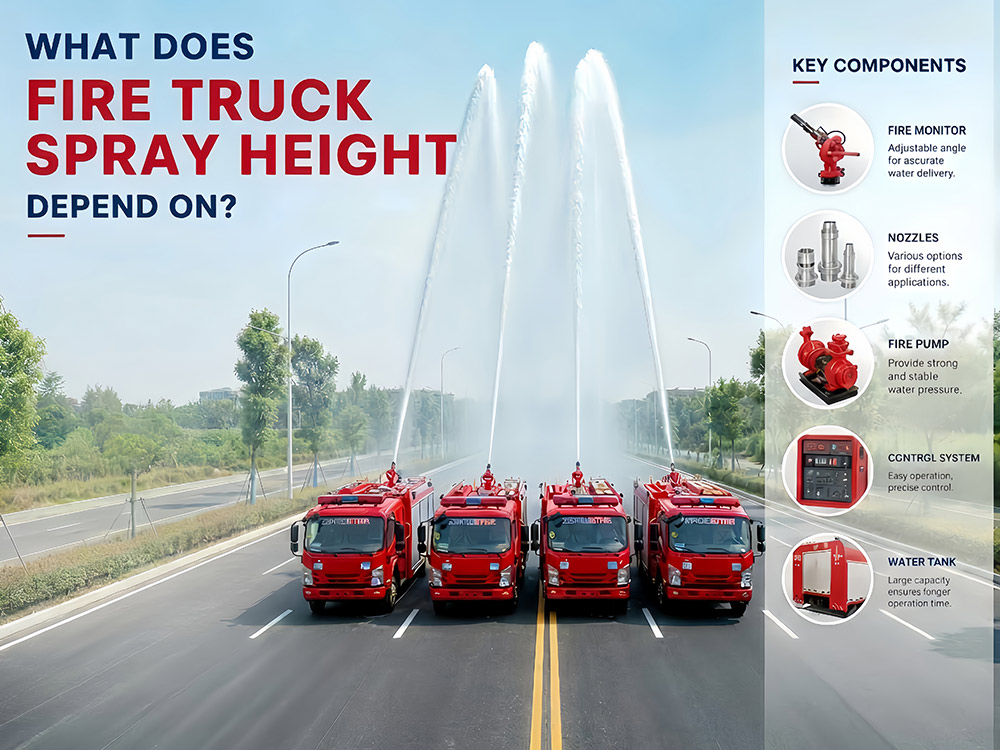
消防車のポンプおよび放水システムは、消火活動の中核です。これは消防車の「強力な腕」として機能します。エンジンの動力を圧力(0.8~1.4 MPaの範囲)に変換することで、消火剤を最大85メートルの高さまで送り届けます。密集した都市中心部の高層建築物火災であっても、工業地帯の石油化学貯蔵タンク火災であっても、消防車はこのシステムに依存して効果的な消火を実現します。 消防車の放水高さに影響を与える要因は何でしょうか。また、ポンプ圧力、流量、放水銃はどのように連携するのでしょうか。これらは多くのお客様が注目するポイントです。今日はこれについて学びましょう。 » I. 放水高さを決定する3つの主要構成要素 1. 消防ポンプシステム: 消防車の心臓部です。PTOで駆動される遠心ポンプです。一般的な圧力等級:0.8 MPa、1.0 MPa、1.2 MPa、1.4 MPa。流量は2,000~5,000 L/min以上です。 2. 放水銃: 消火剤が車両から出る直前の最終構成部品です。水放水銃、泡放水銃、兼用放水銃があります。PLシリーズ(PL48)は最大4,000 L/minの流量と70メートル以上の放水高さに対応します。 3. 送水システム: ポンプから放水銃まで消火剤を運ぶ配管、ホース、ノズルです。ホースの直径、長さ、ノズルの種類はすべて最終的な放水高さに影響します。 » II. 放水高さを決定する主要要因 1.1. ポンプ圧力 消防車のポンプ圧力とは、消防ポンプが消火剤をホース内へ押し出し、ノズルや放水銃から放出するために発生させる力です。これは流量と放水距離の両方を左右する主要な要素です。高い圧力は放水銃出口での速度を高め、放水高さを直接向上させます。この関係はH ≈ P/(ρg)の式で表され、0.1 MPa上昇するごとに理論上の高さは約10メートル増加しますが、実際には損失によって低下します。 実際の消火活動では、以下の範囲が適用されます: ポンプ圧力 標準的な放水高さ 0.8 MPa 35~45メートル 1.0 MPa 45~55メートル 1.2 MPa 55~70メートル 1.4 MPa 70~85メートル 1.2. 消防ポンプの仕組み: ポンプは通常、動力取出装置(PTO)を介して消防車のエンジンで駆動される遠心ポンプです。インペラが回転すると、消火剤を吸い込み、遠心力によって外側へ送り出し、圧力を発生させて排出システム内へ推進します。 定格圧力と運転圧力: 用語 定義 定格圧力 設計条件下でポンプが連続的に維持できる最大圧力 運転圧力 消火作業中に実際に使用される圧力で、余裕を確保するため通常は定格圧力より低い 2. 流量(L/min) 十分な流量は圧力と同じくらい重要です。低い流量で高い圧力をかけても、火災を抑制するために十分な消火剤を供給できません。ポンプシステムは圧力と流量の両方を同時に維持する必要があります。 流量と放水高さの関係: 2,000 L/min → 都市火災に効果的 3,000 L/min → 工業団地に適しています 4,000 L/min → 石油化学施設に必要です 5,000+ L/min → 空港の墜落救助に必要です 3. 放水銃の設計 放水銃の内部流路、出口直径、および種類は、放水高さに直接影響します。 放水銃タイプの比較: 水放水銃: 最も高い到達高さ、直線的な流路 泡放水銃: 空気取り込みによる乱流のため、やや低い(5~10%低下) デュアル用途放水銃: 中程度(水と泡の中間的な性能) 4. 消火剤の種類 水と泡は密度が異なります。泡溶液は水より約5~10%密度が高く、同じ圧力では放水高さをわずかに低下させます。泡消火作業用の装備を選択する際には、この点を考慮する必要があります。 5. 摩擦損失 消火剤がホースや配管を通って流れる際、摩擦によって放水銃での圧力が低下します。長いホースや小さい直径は損失を増加させます。 摩擦損失の要因: ホースの長さ: 長いほど損失が大きい ホースの直径: 小さいほど損失が大きい 継手と曲がり: それぞれが抵抗を追加します » III. 消防車選定ガイド お客様に最適な消火ソリューションを提供するため、FIRE TRUCKSは用途に基づいて最も適したシステムを選定します 要件: 1. 異なる圧力での放水高さ比較 ポンプ圧力 流量 放水高さ 推奨用途 0.8 MPa 2,000 L/min 35–45 m 自治体消防 1.0 MPa 3,000 L/min 45–55 m 工業団地 1.2 MPa 4,000 L/min 55–70 m 石油化学施設 1.4 MPa 5,000+ L/min 70–85 m 空港消防 2. モニター選定ガイド 用途 推奨モニタータイプ 理由 自治体消防 ウォーターモニター 最高噴射高さ、操作が簡単 石油精製所/化学工場 フォームモニターまたは二重用途 可燃性液体火災に対応 空港事故救助 フォームモニター(大容量) 大量のフォームが必要 混合火災リスク 二重用途モニター 水とフォームの両方に柔軟対応 3. 噴射高さに影響する主要因 要因 影響 最適化方法 ポンプ圧力 比例関係にある 用途に応じて適切な圧力を選択 流量 消火効果を維持 圧力と流量のバランスを取る モニター設計 最大10%の変動 用途に応じてモニタータイプを合わせる 消火剤タイプ フォームは高さをやや低下させる 密度差を考慮する 摩擦損失 有効圧力を減少させる より短い/太いホースを使用 高低差 圧力を消費する 高さに応じて圧力を追加 風速 有効高さを低減する トラックを風上側に配置する » IV. 実世界の事例研究:石油化学貯蔵タンク火災 事例背景: 工業地域の石油化学貯蔵施設で大規模な火災が発生した。火災は、原油を貯蔵する直径50メートルの浮き屋根タンクに関係していた。タンクの高さと放射熱区域のため、地上設置のホースでは火災に到達できなかった。 消防車構成: 8×4泡消火消防車 定格1.2 MPa / 4,000 L/minのポンプシステム PL48泡・水兼用放水銃 実際の性能: 測定された放射高さ:約62メートル 有効散布範囲:直径約80メートルのタンク領域 泡の被覆層により8分以内に火災の抑制に成功 重要な教訓: 大型貯蔵タンク火災では、1.0 MPa未満の圧力では、必要な距離まで泡を送るのに不十分な場合が多い。十分な圧力、高い流量、適切に選定された放水銃の組み合わせが、効果的な消火には不可欠である。 » V. よくある誤解 誤解1:圧力は高いほど常に良い 現実:高い圧力は、エネルギー消費、装置コスト、メンテナンスの複雑さを増加させる。過剰な圧力はホースやノズルを損傷する可能性もある。目的は最大圧力ではなく、作業に適した十分な圧力を確保することである。 誤解2:放水高さは消火能力と同じである 現実:流量は高さよりも重要であることが多い。低流量の高い放水では、火災を抑制するために十分な消火剤を供給できない場合がある。重要なのは圧力と流量の組み合わせによる総合的な効果である。 誤解3:摩擦損失は無...
詳細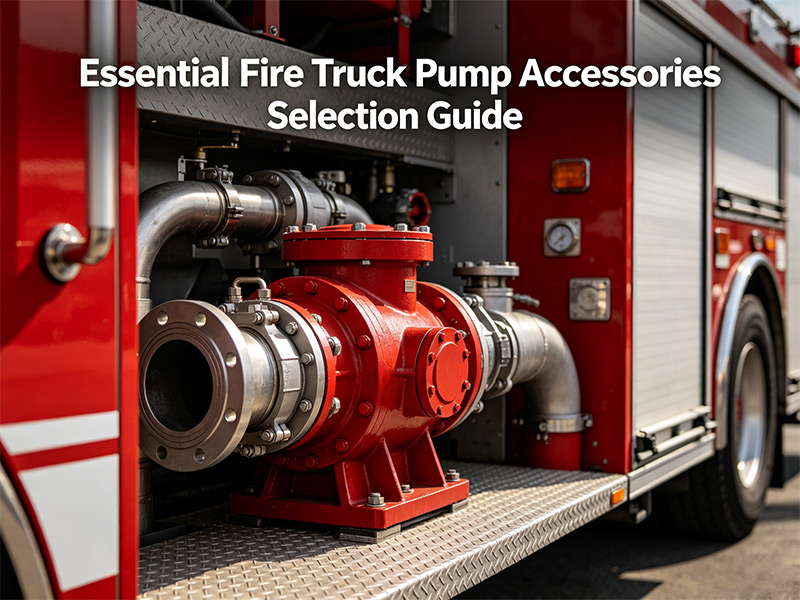
消防車ポンプシステムは、そのコンポーネントの信頼性によって決まります。水源から水を吸い上げ、高圧で放出するまで、すべての付属品が重要な役割を果たします。このガイドでは消防車 5つの主要な付属品カテゴリ:プライマー、ボールバルブ、グローブバルブ、泡混合装置、油圧制御システムについて説明します。 これらのコンポーネントを理解することで、消防士は装備を適切に維持管理し、特定の用途に適した付属品を選択できます。 I. プライマーシリーズ(真空プライミング装置) プライマーは、消火栓が利用できない場合に、湖、河川、その他の静水源から水を吸い上げるために不可欠です。ポンプと吸水ホース内の空気を除去し、大気圧によって水をポンプ内へ押し込めるようにします。 製品概要 製品 最大真空度 電圧 出力 対応ポンプサイズ 2ピストンプライマー >85kPa 24V - 100 L/s未満 電動2ピストンプライマー >85kPa 24V 2.1KW 100 L/s未満 4ピストンプライマー >85kPa 24V - 100 L/s超 電動4ピストンプライマー >85kPa 24V 2.1KW 100 L/s超 主な特徴:電動プライマー 電動プライマーには大きな利点があります。それは、ポンプを回転させずに呼び水を行えることです。これにより、メカニカルシールを空運転による損傷から保護できます。標準的なプライマーではポンプの回転が必要ですが、電動タイプは独立して動作し、シールの寿命を延ばします。 II. ボールバルブシリーズ(流量制御) ボールバルブは、ホースや放水口を通る水流を制御します。単純な90°回転による迅速な開閉操作ができるよう設計されています。 ステンレス鋼製ボールバルブ 型式 材質 定格圧力 ねじ 操作 FQS65/2.5 本体・ボール:304ステンレス鋼;シール:PTFE 2.5 MPa G2-1/2" ハンドホイール/レバー FQS80/2.5 本体・ボール:304ステンレス鋼;シール:PTFE 2.5 MPa G3" ハンドホイール/レバー アルミニウム合金ボールバルブ(軽量タイプ) 型式 材質 定格圧力 ねじ 操作 FQS65/2.5 本体:A356.2;ボール:304;シール:PTFE 2.5 MPa G2.5" ハンドホイール/レバー FQS80/1.6 本体:A356.2;ボール:304;シール:PTFE 1.6 MPa G3" ハンドホイール/レバー FQS65/2.5 スクエア 本体:A356.2;ボール:304;シール:PTFE 2.5 MPa - 空気圧式/レバー Ⅲ. グローブバルブシリーズ(圧力・流量調整) オン・オフ操作用に設計されたボールバルブとは異なり、グローブバルブは流量と圧力を精密に制御できます。段階的な調整が必要な状況に最適です。 型式 材質 定格圧力 ねじ 操作 DN65/2.5 本体:A356.2;ステム:H62;シール:NBR 2.5 MPa G2.5" ハンドホイール DN80/2.5 本体:A356.2;ステム:H62;シール:NBR 2.5 MPa G3" ハンドホイール グローブバルブを使用する場合 別の車両のタンクへの充填や、特定の圧力でのホースラインへの供給など、細かな圧力制御が必要な吐出箇所ではグローブバルブを使用します。 IV. 泡混合器シリーズ(泡混合装置) 泡混合器は、泡消火薬剤と水を正確な比率で混合します。これは、水だけでは効果がないB級(可燃性液体)火災の消火に不可欠です。 手動/標準泡混合器 モデル 材質 入口圧力 流量範囲 混合比 PH32-64 本体:A356.2 0.6-1.4 MPa 4-64 L/s 6% PHZ100 本体:A356.2 1.0 MPa 60-100 L/s 3%、6%、8% 半自動泡混合器 モデル 圧力 流量範囲 混合比 動作電圧 PH32-64 半自動 0.6-1.2 MPa 32-64 L/s 1%、3%、6% 10-33V DC PH80-140 半自動 0.6-1.2 MPa 80-140 L/s 1%、3%、6% 10-33V DC 全自動比例混合器 モデル 圧力 流量範囲 混合比 動作電圧 PH32-64Z 自動 0.6-1.2 MPa 32-64 L/s 1%、3%、6% 10-33V DC PH80-140Z 自動 0.6-1.2 MPa 80-140 L/s 1%、3%、6% 10-33V DC 半自動と全自動の比較 半自動:作業者が混合比を手動で選択します。システムは運転中、その比率を維持します。 全自動:システムが流量を検知し、泡消火薬剤の注入量を自動的に調整します。これにより作業者の負担を軽減し、人為的ミスを防止します。 環境保護等級 すべての電子比例混合器は以下の機能を備えています: IP65保護– 防塵構造で、低圧の水噴流から保護されます 動作温度:-20°C~+65°C – ほとんどの消防環境に適しています V. 消防油圧制御システム(インテリジェント制御端末) これはポンプ運転の頭脳です。水および泡の供給システム全体の制御を一元化します。 技術仕様 パラメータ 値 動作電圧 DC 10-33V 動作温度 -20°C~+65°C 保護等級 IP65 主な機能 ワンボタン排水– 1回の操作でポンプを起動し、選択した排水バルブを開きます。安定した流量を維持するための自動圧力バランス調整機能を搭載しています。 エンジン制御– ポンプパネルからエンジンの始動・停止、スロットル速度の増減、緊急停止、警報音の操作ができます。 タンクレベル監視– 水タンクおよび泡タンクの液位をリアルタイムで表示します。水位が低くなりすぎると、システムが自動的にエンジンをアイドリング状態にしてポンプの損傷を防ぎます。 カスタマイズ可能– システムはさまざまな消防車モデルや運用要件に合わせて調整できます。 VI. コンポーネント選定ガイド 用途 推奨アクセサリー 消火栓接続がある小型ポンプ( 標準2ピストンプライマー、ステンレス製ボールバルブ 静水源から取水する大型ポンプ(>100 L/s) 電動4ピストンプライマー(メカニカルシールを保護) 吐出時の精密な圧力制御 ボールバルブの代わりにグローブバルブ 泡消火作業(B級火災) 半自動または全自動比例混合器(PHシリーズ) ポンプステーション全体の統合 ワンボタン操作対応の油圧制御システム VII. メンテナンスのヒント プライマー– プライマーを定期的にテストしてください。指定時間内に真空度が85kPaに達することを確認してください。電動プライマーの場合は、電気接続を確認してください。 ボールバルブ– バルブは完全に開くか完全に閉じた状態で操作してください。部分的に開いたままにすると、時間の経過とともにPTFEシールを損傷する可能性があります。 グローブバルブ– バルブステムを定期的に動かして固着を防いでください。必要に応じて、ねじ...
詳細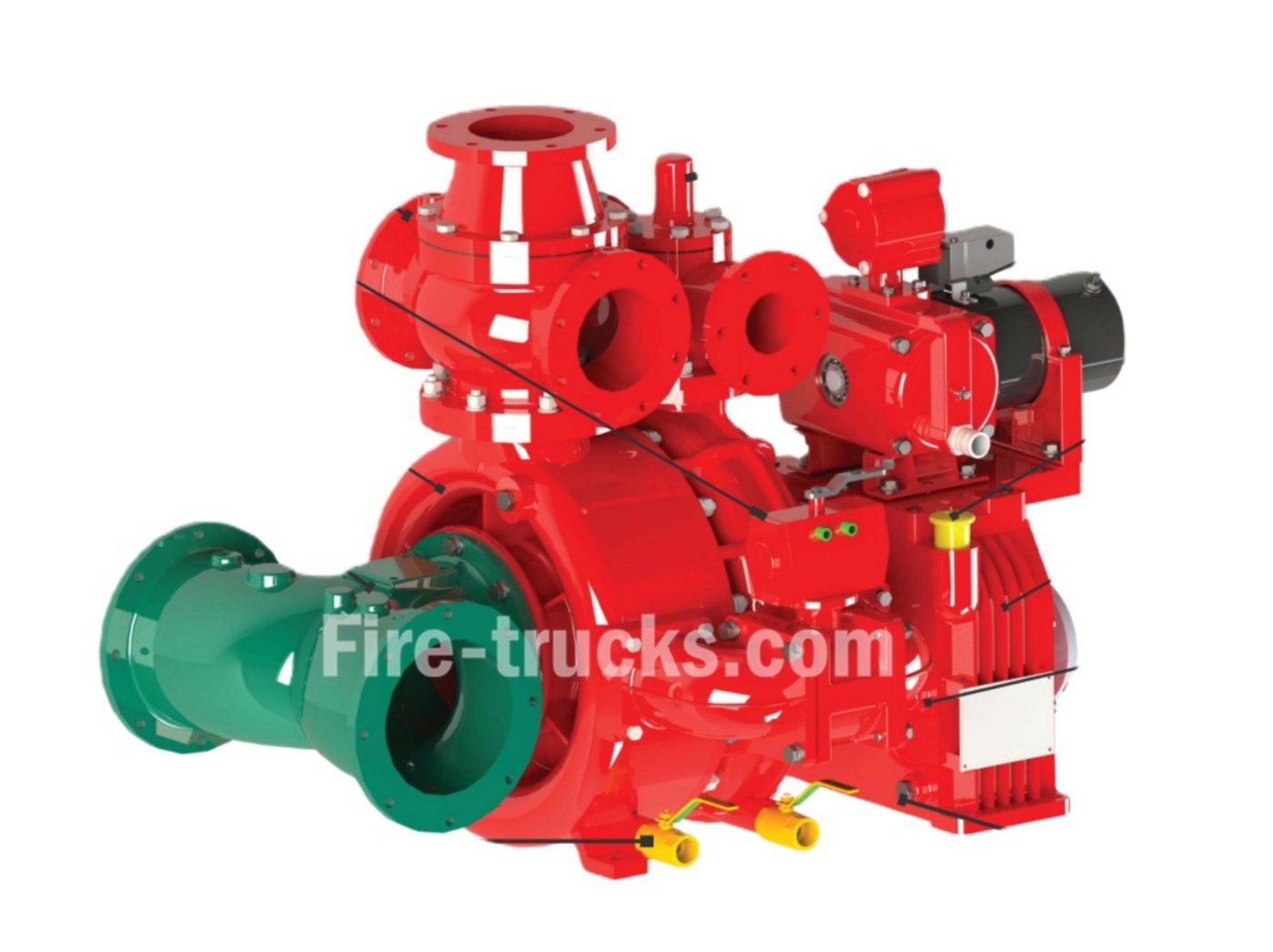
プロの雄真として 消防ポンプメーカー 中国 パワースタートラック 自社ブランド「雄真」シリーズの製品には、低圧消防ポンプ、中低圧消防ポンプ、高低圧車載式消防ポンプに加え、火災監視装置や泡消火装置などの補助機器も含まれています。同社の消防ポンプは、アルミニウム合金やステンレス鋼などの新素材を採用し、電磁クラッチ自動解除装置と逆止弁を備えており、優れた性能、簡単な操作、メンテナンスの容易さを特徴としています。同社の製品は、国家消防設備品質監督検査センターによる型式試験、CCC認証、ISO9001品質マネジメントシステム認証に合格しています 雄鎮消防ポンプは主に以下のモデルを含みます:CB10 / 20-XZ、 CB10/30-XZ 、CB10/40-XZ CB10/60-XZ 、CB10/80-XZ、CB10/100-XZ、CB20.10/15.30-XZ、CB20.10/20.40-XZ、CB20.10/30.60-XZなど 消防車用消防ポンプ CB10/20-XZ 消防車用消防ポンプ CB10/30-XZ 消防車用消防ポンプ モデル CB10/40-XZ 中国 消防救助車用消防ポンプ モデル CB10-60 消防車用緊急消防ポンプ CB10/80-XZ 消防車両用消防ポンプ CB10/100-XZ xiongzhen消防ポンプシステムCB10 / 100-XZ仕様 xiongzhen CBシリーズ消防ポンプメーカー 消防ポンプセット CB10/150 仕様 消防ポンプシステム CB10/160-XZ xiongzhen 工場 緊急消防ポンプ CB10/170-XZ 仕様 パワースタートラックは4件の特許を保有する強力な技術力を誇り、CAD製図やCNC工作機械といった先進的な生産設備を活用することで、高い製品合格率と顧客満足度を実現しています。同社の製品は主に消防車の改造工場や消防隊を対象としています。 CB20.10 20.40 消防ポンプ詳細仕様 消防ポンプ CB20.10 30.60-XZ by xiongzhen factory 消防ポンプ CB20/15-XZシリーズ 緊急消防ポンプ CB20/20-XZシリーズ 消防ポンプ設置 CB20 25 詳細 XIONGZHENのメンテナンススケジュールはこちらです 消防ポンプ 週、月、四半期、年別に分類されており、簡単に参照できます。 01、Powersar消防ポンプの日常点検: 圧力安定ポンプの始動・停止圧力と周波数を確認します。 ディーゼルエンジン消防ポンプの始動用バッテリー電力を確認します。 水源制御バルブおよび警報バルブアセンブリの外観に損傷がないか確認します。 02、パワーサー消防ポンプ 週次点検 自動始動モーター式消防ポンプの試運転を行ってください。 ディーゼルエンジン式消防ポンプの燃料レベルを確認してください 03、パワーサー消防ポンプ 月次点検 手動始動モーターの試運転 消防ポンプ およびディーゼルエンジン消防ポンプ 防火水槽、高架防火水槽の水位を確認ã�
詳細
CB10/140泡消火ポンプは、車載式または据置式の消火用給水システムとして広く普及しており、定格圧力1.0MPa、定格流量140L/sで、消防システムの中核的な給水ニーズを満たします。ポンプ本体とインペラは高品質の耐摩耗性材料で作られており、耐腐食性と耐高圧性を備えています。 迅速な水源切り替えを可能にするデュアルインレット設計を採用し、高効率モーターまたはディーゼルエンジンで駆動することで、30秒以内の起動応答時間を実現しています。コンパクトな設計、容易なメンテナンス、そして信頼性の高い動作により、 CB10/140泡消火ポンプ 消防活動のための効率的な給水を確保するために重要な設備です。 CB10/140-XZ低圧車搭載型消防ポンプは、アルミニウム合金製ポンプケーシングと真鍮製インペラを備えた単段遠心構造を採用しています。電動4ピストンプライミングシステムと電動スイッチを採用しています。オプションのCB10/20泡ポンプは、空気圧分離機構を採用しています。優れた性能、コンパクトな構造、簡単な操作、そして容易なメンテナンスを特徴としています。 CB10/140-XZ消防ポンプは、消防車に搭載される単段遠心式水ポンプで、2ピストン式プライミング装置による自動作動・自動解除を特徴としています。コンパクトな構造で高性能を実現し、操作性とメンテナンス性も向上しています。主な仕様は、定格回転数2600 r/minにおいて、流量140 L/s、出口圧力1.0 MPaです。 » 。 CB10/140泡消火ポンプの動作原理 ● 水と泡濃縮液の摂取量: 水は供給源から引き出され、泡濃縮液は貯蔵タンクから引き出されます。 ● 割合: プロポーショナーは泡濃縮液と水を所定の比率で混合します。 ● 加圧: ポンプは混合物に圧力をかけ、速度と圧力を高めます。 ● 退院: 加圧された泡溶液は排出ホースを通ってノズルに押し出され、そこから火災現場に排出されます。 ● 消火: 泡は燃料源を覆い、酸素から切り離して火を消します。 » 。 CB10/140泡消火ポンプの詳細な紹介 1. 優れた構造設計、安定した信頼性の高いパフォーマンス: ● その CB10/140消防ポンプ 単段遠心設計を採用し、高強度アルミニウム合金で作られているため、軽量、耐腐食性、耐高温性などの利点があります。 ● ポンプ内部の構造は精密機械加工されており、スムーズな流量と優れた油圧性能を実現します。メカニカルシールが漏れを防ぎ、長期的な運転信頼性を確保します。 ● 強力な吸引・吐出能力を誇り、中型・大型の様々な消防車ä¸
詳細
読み進めて、最新情報を入手し、購読して、ご意見をお聞かせください。


 日本語
日本語 English
 français
 Deutsch
 русский
 italiano
 español
 português
 Nederlands
 العربية
 한국의
한국의 Türkçe
 Melayu
 ไทย
ไทย Tiếng Việt
 Indonesia
  中文
中文 қазақ
қазақ Filipino
 မြန်မာ
 српски

 IPv6ネットワークがサポートされています